
Nairobi Public Debate on Kenya and the International Criminal Court
On 24 May 2013, the Institute for War & Peace Reporting and the Wayamo Foundation hosted an international panel discussion at Strathmore University in Nairobi. Entitled “The ICC in Kenya a blessing or a curse?”, it was the third in a series of live debates hosted on the ICC cases and broader questions of justice and accountability in Kenya. View programme Moderator: Ms. Bettina Ambach, Director, Wayamo Foundation Speakers: The Honourable Githu Muigai, Attorney General of Kenya Atsango Chesoni, Executive Director, Kenya Human Rights Commission, KHRC Ngunjiri Wambugu, Executive Director, Change Associates Trust Njonjo Mue, Head of Kenya Office, International Center for Transitional Justice, ICTJ Wilfred Nderitu, Legal Representative of Victims at the ICC Elizabeth M. Evenson, Senior Counsel, International Justice Program, Human Rights Watch, Brussels Connected via video link from The Hague: Phakiso Mochochoko, Head of Jurisdiction, Complementarity and Cooperation Division, Office of the Prosecutor, International Criminal Court Shamiso Mbizvo, Cooperation Advisor for the Kenya situation, Office of the Prosecutor, International Criminal Court IWPR’s report on the debate is available at: “Attorney General Locks Horns With ICC”
Cairo Workshop for Journalists from the Middle East and North Africa
Download workshop program Organised by the International Criminal Court in cooperation with the Wayamo Foundation. The International Criminal Court (ICC) is the world’s first permanent international court, created by the Rome Statute in 1998. The court builds on the success of ad hoc international tribunals established by the United Nations in the aftermath of conflicts in the former Yugoslavia, Rwanda and Sierra Leone by bringing justice for the worst crimes including genocide, war crimes and crimes against humanity. The ICC has jurisdiction over states that have ratified the Rome Statute. There are currently 121 States Parties to the Rome Statute spanning four continents. Non-States Parties can still accept the jurisdiction of the ICC or choose to cooperate with the court without becoming a member state. The effectiveness of ICC interventions relies heavily on cooperation between the court and its member states. Furthermore, generating widespread understanding and awareness of the ICC’s mandate and legal responsibilities has proved to be a necessary platform for cooperation between and within its member states. In this regard, the media plays a crucial role in raising awareness about the ICC and generating support for international justice. The ICC is currently conducting seven full investigations in different
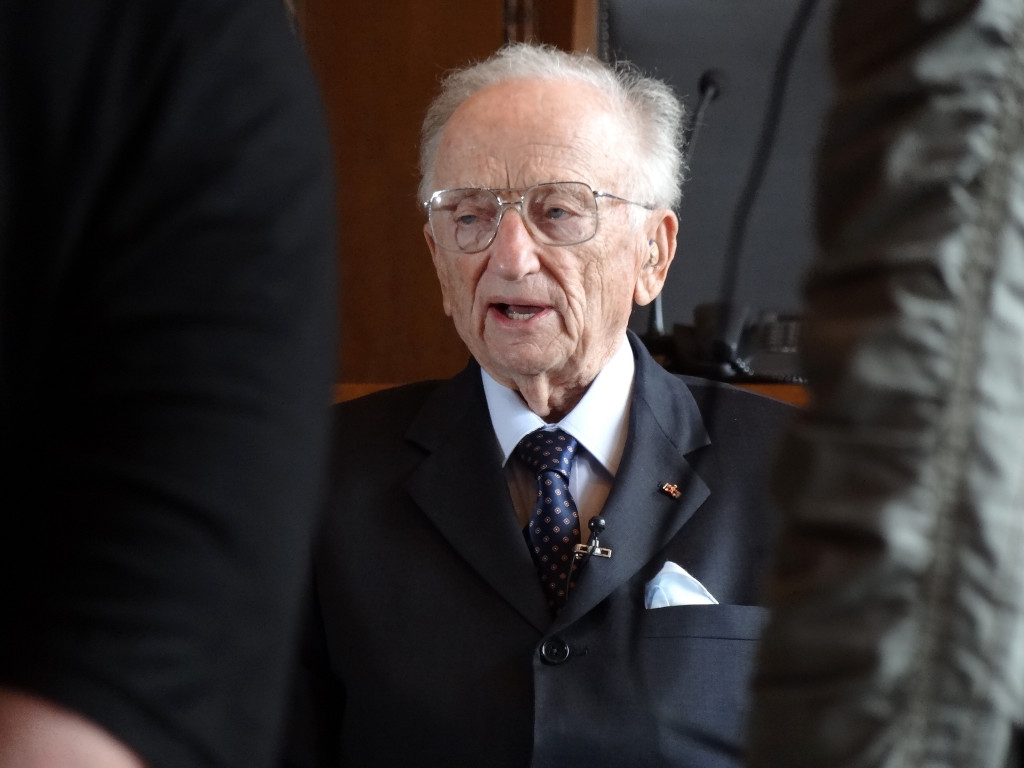
Documentary: Through the Lens of Nuremberg
“Through the Lens of Nuremberg: The International Criminal Court at its Tenth Anniversary.” A Wayamo Foundation documentary on the historic Nuremberg Trials and the modern International Criminal Court.
Naivasha Retreat for ReportingKenya Journalists’ Network
Following the successful organisation of our first training from 26 November to 6 December 2012 in Nairobi, the Institute for War and Peace Reporting and the Wayamo Communication Foundation organised a two-day retreat for journalists held on 23–24 February 2013 in Naivasha. As the presidential race entered into a crucial phase, we discussed the experiences and shared challenges faced by journalists and offered practical insights in conflict-sensitive approaches that media practitioners can adopt while covering elections. View full program “Generating demand for accountability: A critical reporting and media monitoring project in Kenya“
Nairobi Public Debate on Elections, Impunity and Accountability in Kenya
The interactive debate provides a range of international perspectives on issues surrounding the elections in Kenya: generalized and persistent impunity; international and local mechanisms for dealing with such impunity and the phenomenon of hate or dangerous speech. Welcoming by Dr Luis Franceschi, Dean of Strathmore Law School Opening remarks by: Samuel Kobia, Commissioner, Judicial Service Commission, Kenya Hon. Justice Mohamed Warsame, Judge of the Court of Appeal Her Excellency the German Ambassador Margit Hellwig-Bötte Debate Akbar Khan, former Director, Legal and Constitutional Affairs Division, Commonwealth Secretariat and Member of the World Economic Forum Global Council on the Rule of Law: “Promoting the rule of law: Role of international criminal justice and national legal systems in the fight against impunity” Justice Warsame, Judge of the Court of Appeals: “The Role of the Judiciary in in the Process of Free and Fair Elections.” Serge Brammertz, Prosecutor, International Criminal Tribunal for the former Yugoslavia, The Hague: “International Criminal Tribunals and their contribution to national efforts to bring perpetrators of atrocity crimes to justice” Martin Ngoga, Prosecutor General of Rwanda: “Rwanda´s approach to fight impunity. How to deal with Hate speech crimes.” View Programme
Nairobi Editorial Forum on Elections with Kenya Editors’ Guild
IWPR and Wayamo have started in November 2012 a two-year media programme (Generating demand for accountability: A critical reporting and media monitoring project in Kenya). As Kenya enters the run up to presidential elections and the start of the four cases before the International Criminal Court, IWPR and Wayamo would like to share challenges faced by media organisations and discuss conflict-sensitive approaches which could be adopted by the media practitioners. In an effort to provide a forum for learning and debate at the intersection of justice and electoral issues, we truly value the contribution of Editors to this two-year programme. During our second common Editors’ breakfast meeting, we would like to discuss the following issues: How the media and the Independent Electoral and Boundaries Commission can work together? Results of the first sub-editors training in Naivasha on 26-27 January Threats against journalists and other pressures on journalists and editors Ushahidi/iHub´s findings in monitoring hate speech KNCHR´s monitoring and reporting on incidents that may trigger violence Concerns and needs of the Editors Guild Invited speakers Her Excellency the German Ambassador Margit Hellwig-Bötte Lilian Mahiri-Zaja, Vice-Chairperson, Independent Electoral and Boundaries Commission Anne Munyiva Ngugi, Commissioner, Kenya National Commission on Human Rights Kagonya Awori, iHub
