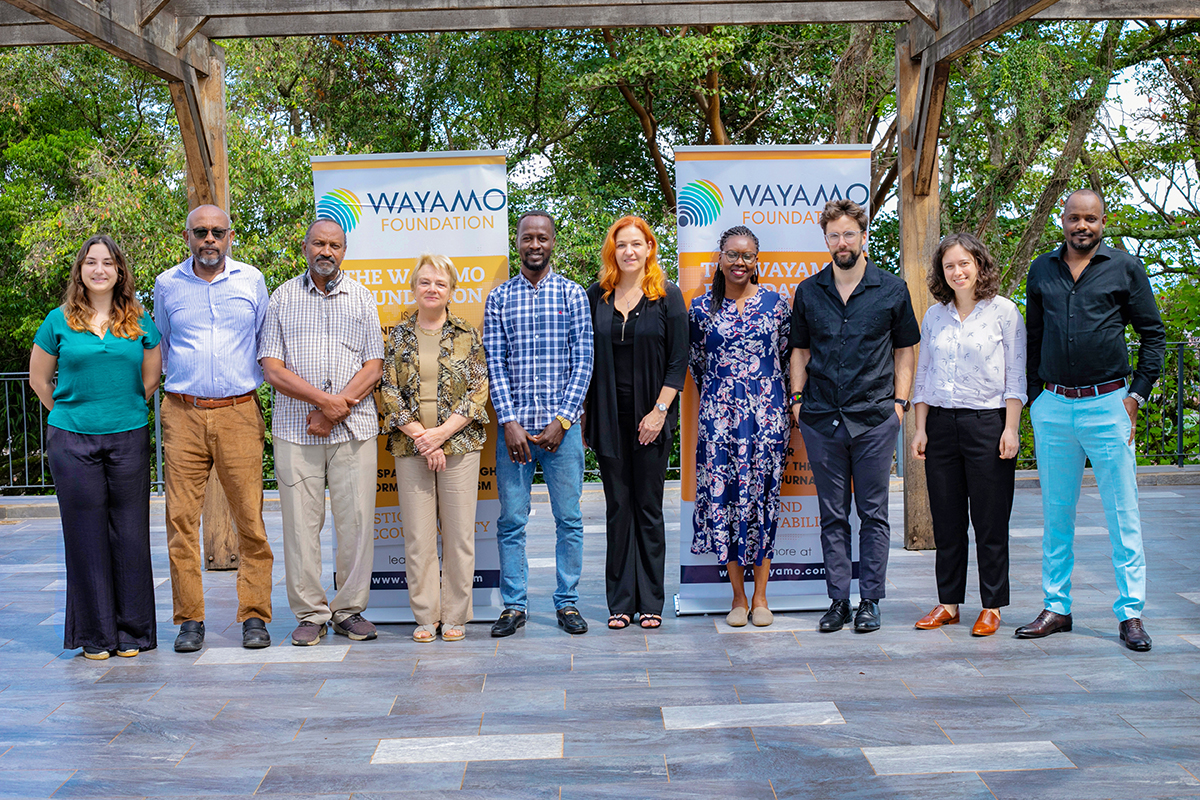
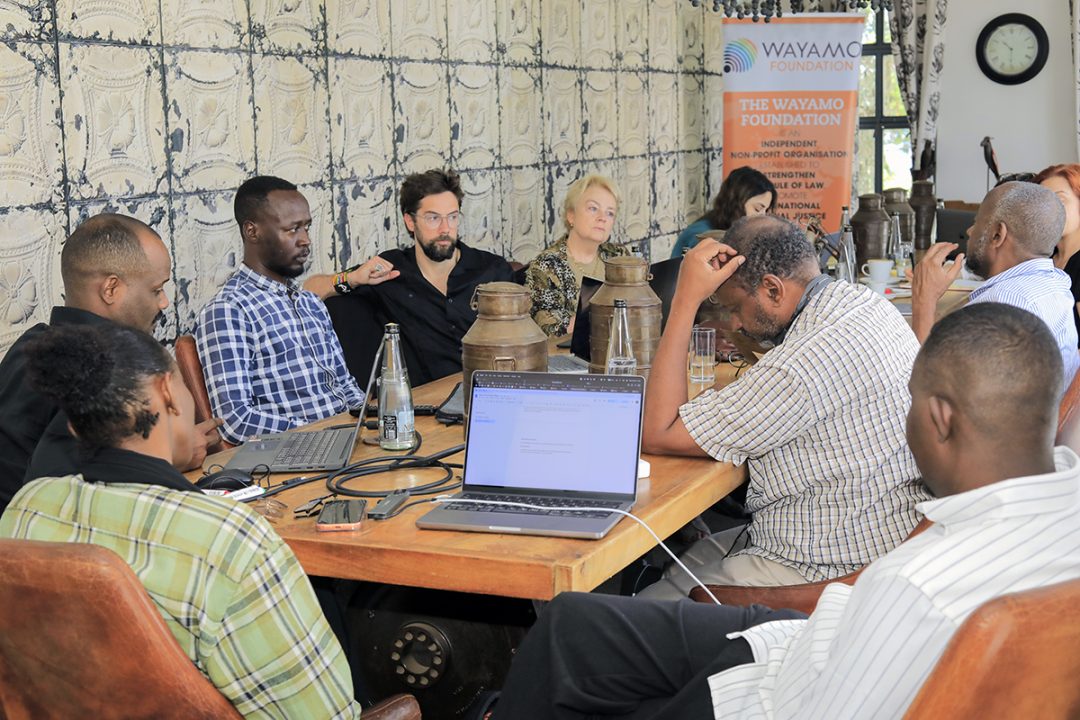
From 25–27 March 2026, the Wayamo Foundation hosted mentorship sessions for Sudanese civil society actors and lawyers in Kampala, Uganda. The sessions built on previous one-on-one engagements with Sudanese civil society orga nisations and included expert guidance on practical ways to strengthen their work and improve documentation practices.
In July 2025, Wayamo initiated a new pilot program aimed at conducting deeper investigations into a select number of incidents, while ensuring, through a more intensive monitoring process, that our Sudanese network members document them in a manner suitable for future accountability processes. Each of the organisations in the network were assigned specific incidents to work on and document according to the heightened accountability standards. Tools such as screening forms and supplementary information templates have been shared, along with access to bespoke technological tools for recording, saving, and storing information in a professional manner.
The latest sessions in Kampala tracked the progress made since similar sessions in Kampala, Nairobi and online. The panel of experts heard presentations by the documenters and provided detailed feedback on both the quality of the information collected and on possible next steps with respect to their individual investigation/documentation efforts.
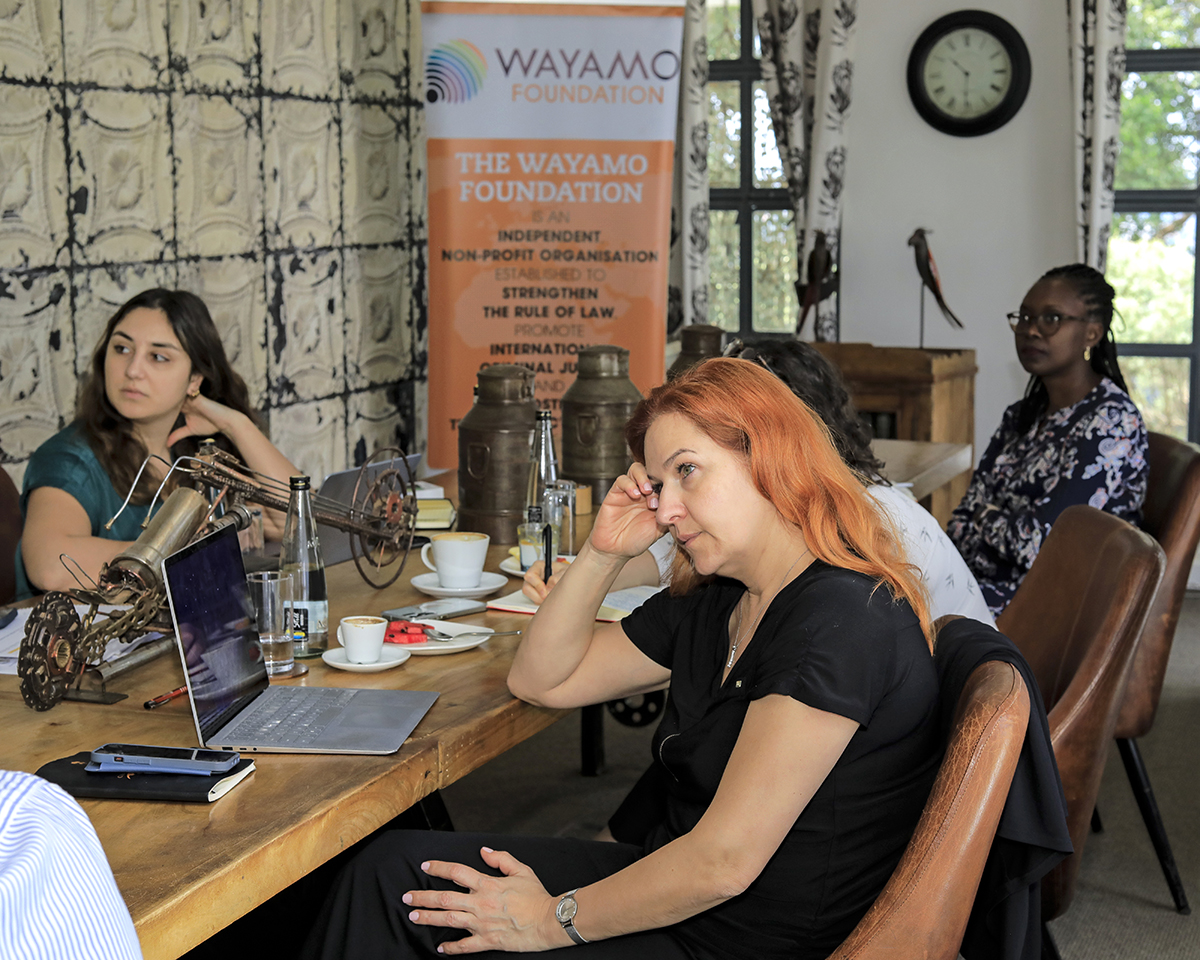
The expert team included:
- Antonia David, Legal Director of InterJust
- Anya Neistat, President of InterJust
- Linda Bore, International Criminal Lawyer & Project Coordinator, Wayamo
- Mikel Delagrange, Senior International Legal Advisor, Wayamo
- Abdalbasit Mohamed, Legal and Research Officer, Wayamo
Wayamo has worked with a network of Sudanese human rights defenders and independent lawyers since the current conflict in Sudan erupted in April 2023. The network is committed to undertaking documentation for the purposes of accountability, and since the outbreak of war Wayamo has held training sessions on topics ranging from international criminal law and open-source investigations to the application of universal jurisdiction for international crimes.
The ultimate goal is to compile well prepared case files that can, inter alia, be handed over to prosecuting authorities, whether at the ICC, universal-jurisdiction venues in the region, fact-finding missions, or regional human-rights bodies. The latest mentorship sessions in Kampala have led to tangible progress in case building, notably through Wayamo’s collaboration with InterJust, which attended the Kampala meetings for the first time.
During the sessions, Sudanese partner organisations presented their documentation progress through “state of evidence memoranda.”
This “State of the Evidence Memo” compiles the data collected by documenters to date. It is structured to clearly highlight both the strengths and gaps in the current documentation. It also serves as a tool to facilitate review by external stakeholders such as the ICC,
strategic litigation firms, UN Fact-Finding Missions (UN-FFM), and others with whom documenters are increasingly sharing their information.
The memo includes figures on the global number of screenings conducted, the duration of the investigation, and all additional evidence gathered so far, including identification documents, medical records, psychological assessments, photographs, videos, death certificates, and related materials.