
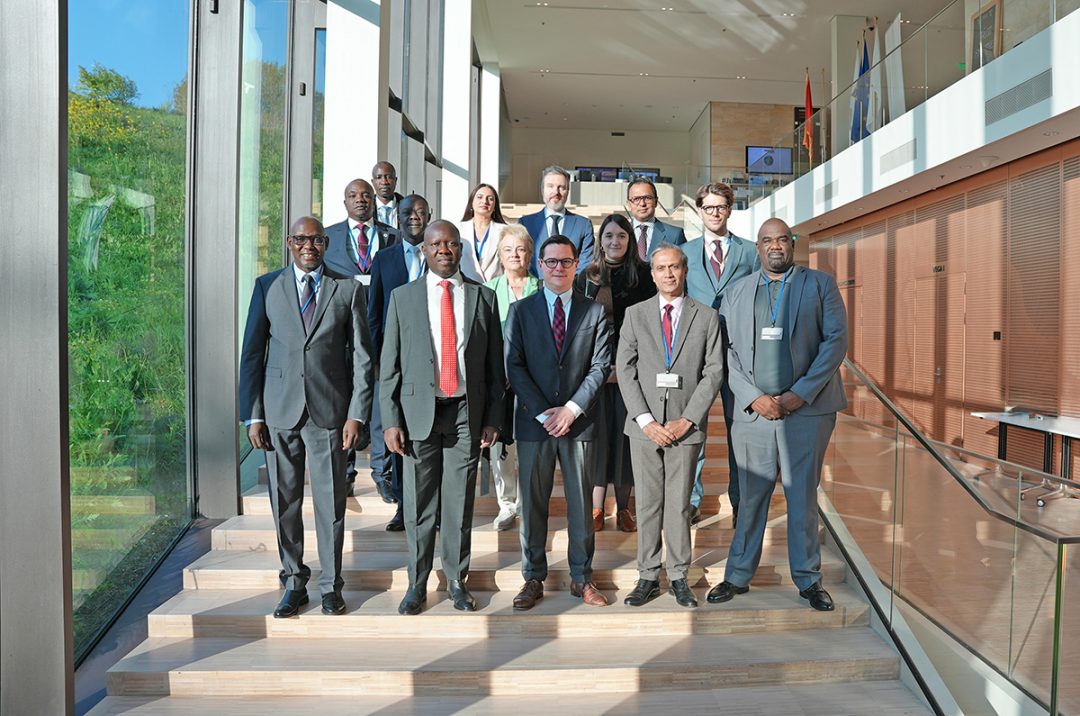
High level prosecutors from Uganda, Mauritius, Kenya and South Africa gathered from 20–24 April 2026 in The Hague and Karlsruhe as part of a study visit held in the context of the 39th Meeting of the European Network for the Investigation and Prosecution of Genocide, Crimes against Humanity and War Crimes.
The visit, organised by the National Authorities against Impunity-Project in close collaboration with the Wayamo Foundation, brought together a delegation of African prosecution authorities, including the Directors of Public Prosecutions from Uganda, Kenya, and Mauritius, as well as the Head of the Priority Crimes Litigation Unit from South Africa.
“The world has become one global village — there must be no boundaries when it comes to addressing international crimes,” said Gideon Mashamaite, Acting Special Director of the Priority Crimes Litigation Unit of South Africa, and one of the participants.
“Only through consistent, dedicated, and collaborative efforts can national and international law enforcement agencies bring serious transnational and international crimes to an end,” added Nataraj J Muneesamy, Assistant Director of Public Prosecutions of Mauritius.
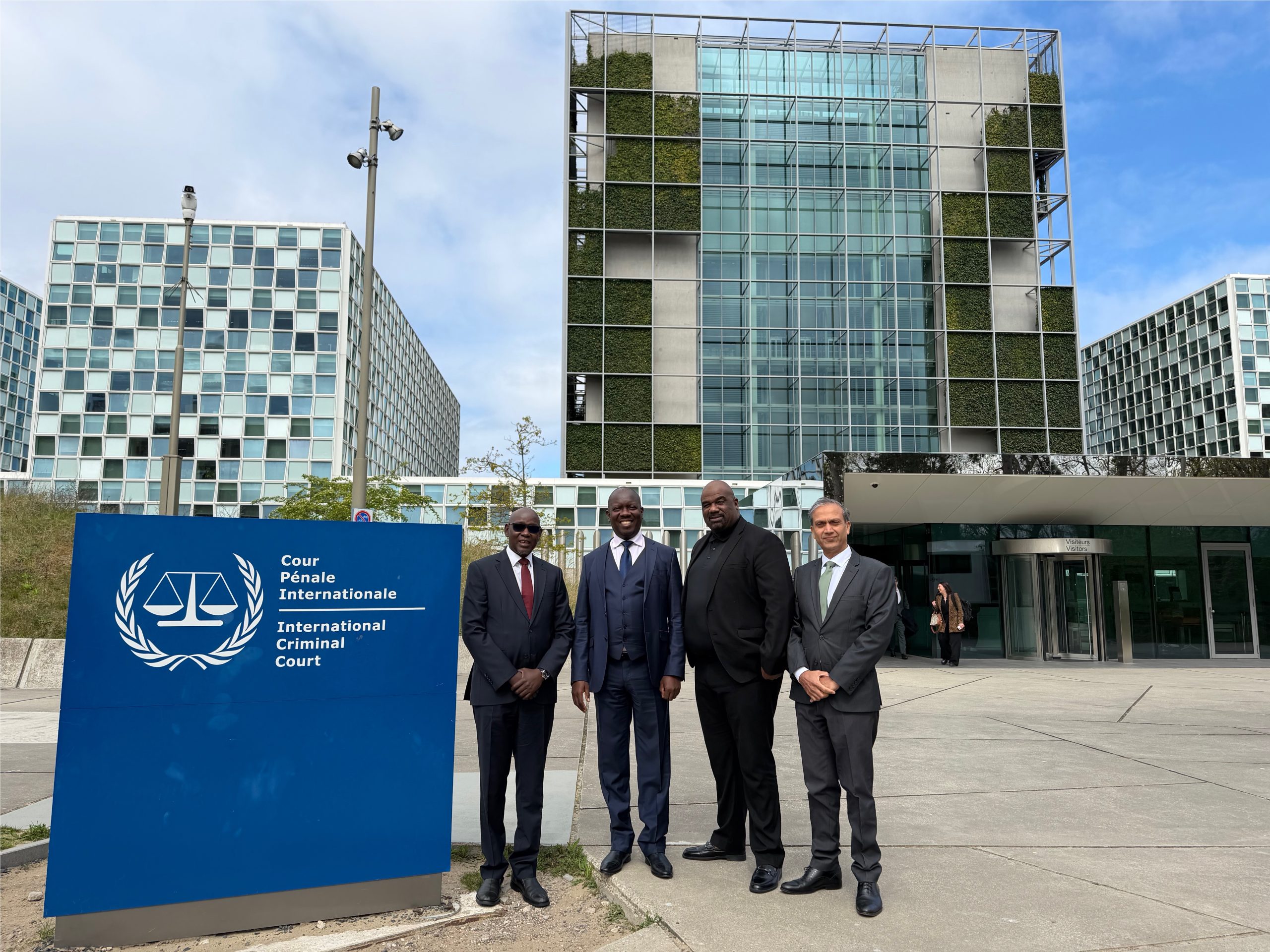
From left to right: Lino Anguzu, Director of Public Prosecutions, Uganda, Renson Mulele Ingonga, Director of Public Prosecutions Kenya, Gideon Mashamaite, Acting Special Director of the Priority Crimes Litigation Unit of South Africa, Rashid Ahmine, Director of Public Prosecutions, Mauritius.
The study visit began at the International Criminal Court in The Hague, where participants engaged with Judges, the Office of the Prosecutor and the Registry to gain insight into the ICC’s role in addressing core international crimes. Sessions covered the court’s history, jurisdiction, investigative processes, state cooperation, and courtroom practice, and focused on a practical understanding of international justice in action.
At the Netherlands Public Prosecution Service, participants engaged with the Netherlands War Crimes Unit to discuss investigating and prosecuting international crimes domestically. Sessions focused on multidisciplinary approaches to complex cases and the challenges of building cases involving genocide, crimes against humanity, and war crimes.
Subsequent sessions at Eurojust deepened the focus on international cooperation. Meetings with representatives from various offices, including liaison prosecutors and the Genocide Prosecution Network Secretariat, underscored the importance of coordination across jurisdictions. These discussions highlighted the operational challenges of cross-border investigations and the critical role of information sharing in ensuring accountability.
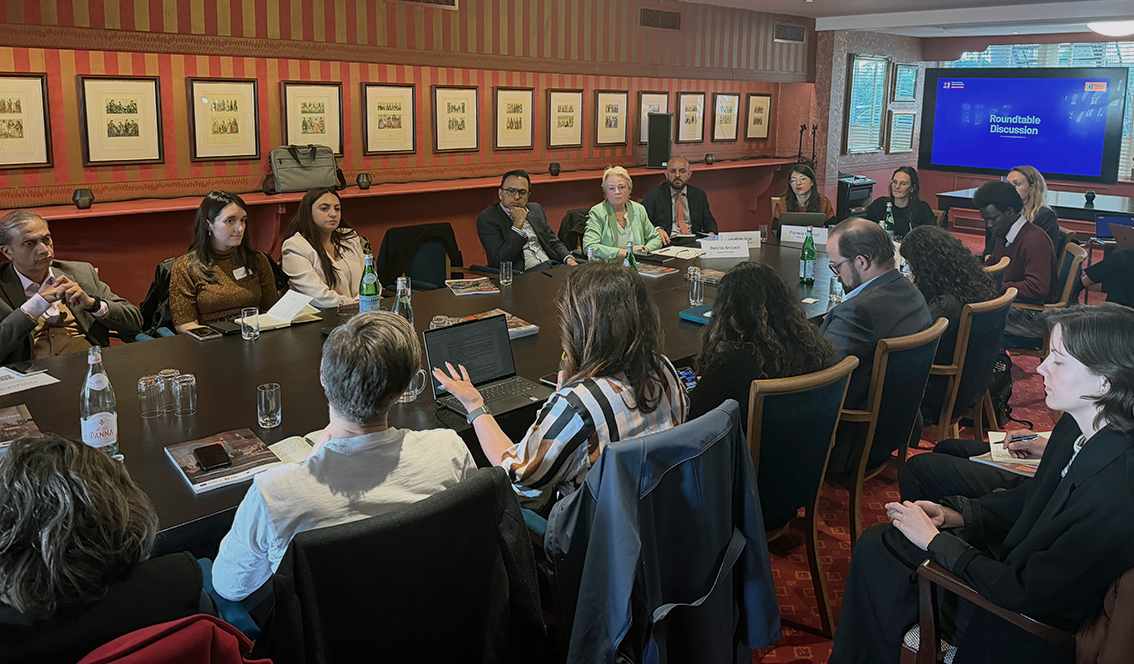
TRIAL roundtable in The Hague.
This was complemented by a roundtable discussion organised by TRIAL on universal jurisdiction, where experts explored how legal frameworks can effectively prosecute crimes regardless of where they are committed. The exchange of perspectives between judicial practitioners and civil society representatives reinforced the importance of collaboration beyond formal institutions. Wayamo Director Bettina Ambach was one of the panellists sharing lessons learned from ongoing project work in Sudan.
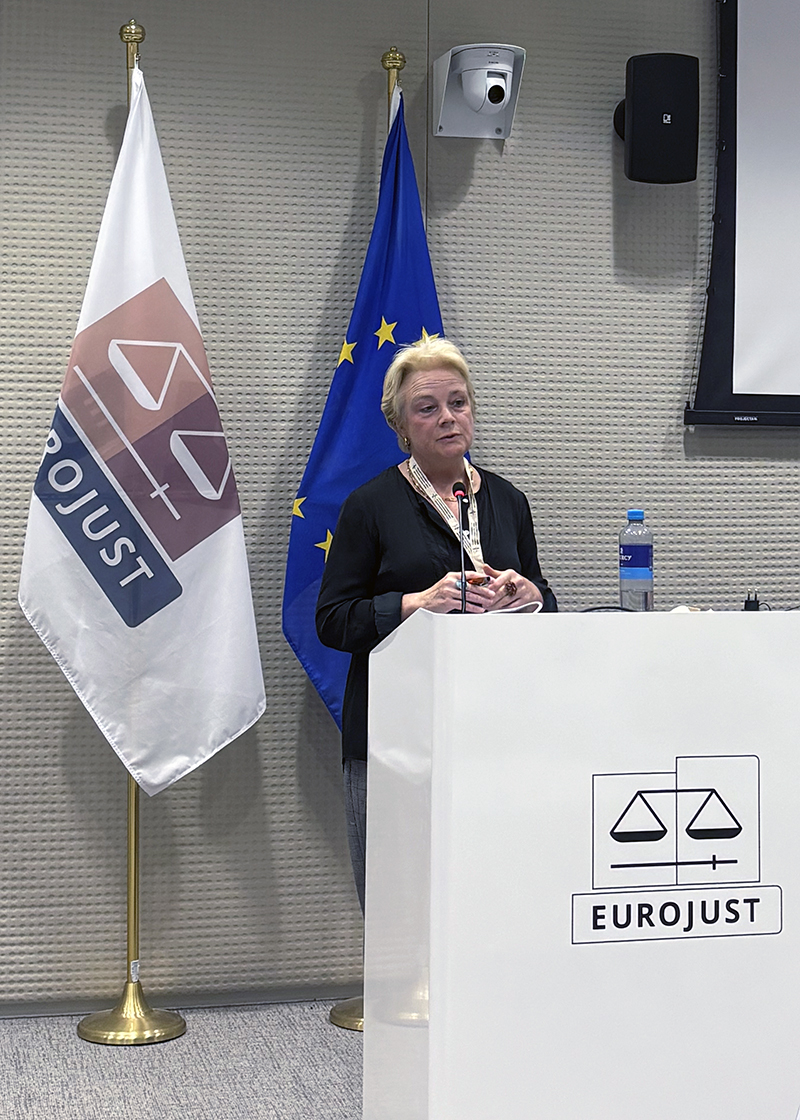
Bettina Ambach
The Hague portion of the programme also included an invitation to participate in the Genocide Prosecution Network meeting, where national authorities shared experiences, challenges, and best practices. These sessions emphasised the value of sustained cooperation and the development of technical expertise in addressing complex international crimes.
The final leg of the visit focused on the work of the German war crimes unit at the Office of the Federal Public Prosecutor (Generalbundesanwalt) in Karlsruhe, which has jurisdiction over international crimes under the German Code of Crimes against International Law.
Presentations from senior prosecutors and experts gave insight into Germany’s approach to prosecuting international crimes under universal jurisdiction, highlighting notable cases and institutional strategies.
Overall, the study visit provided a comprehensive and practical understanding of how international and national actors work together to address the most serious crimes of concern to the international community. It reinforces the importance of cooperation, knowledge exchange, and sustained commitment in the global fight against impunity and includes engagement with civil society organisations working at the forefront of international justice.
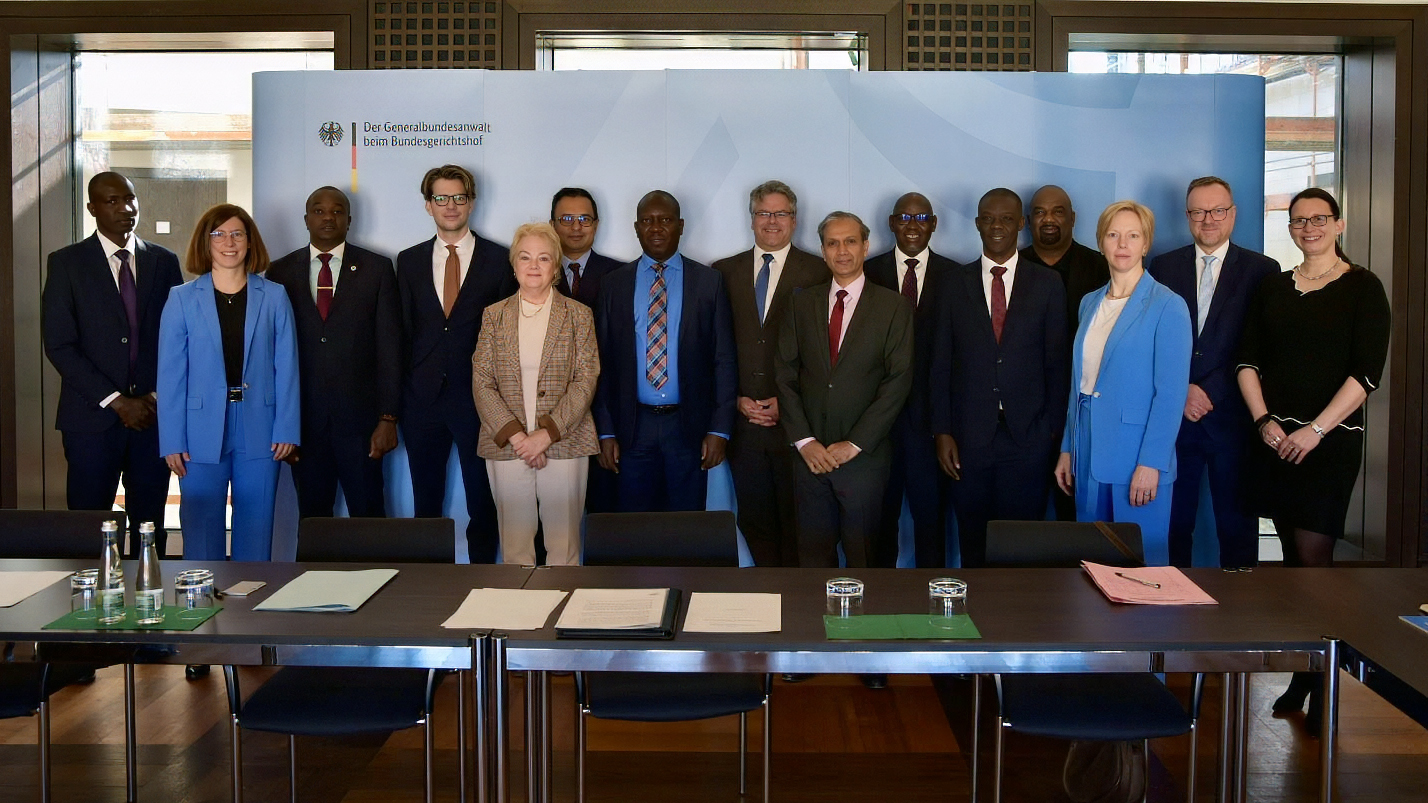
Karlsruhe.
Participants noted that the study visit will have a significant positive impact on their ongoing work.
“The study visit with its powerful networking that began with a visit of the ICC, Eurojust, the Genocide Network, and the Dutch War Crimes Unit, and concluded at the Public Prosecutor General’s Office in Karlsruhe, Germany, has left an indelible mark on the path toward justice,” said Thomas Jatiko, Assistant Director of Public Prosecutions of Uganda.
“It provided a valuable opportunity to engage with international institutions and practitioners involved in the investigation and prosecution of core international crimes,” added Edsan Isaac Papai, Prosecution Counsel from Kenya. “The exposure to real case discussions and expert presentations greatly enhanced both my knowledge and professional perspective.”
“We are profoundly grateful to Eurojust and the Wayamo Foundation for making this opportunity possible,” said Victor Alenga, Assistant Director of Public Prosecutions of Kenya. “We now look forward to building on this experience and expanding its impact in our own context.”
The National Authorities against Impunity Project was established in 2024, and aims to contribute to criminal judicial accountability for core international crimes by enhancing the cooperation between civil society organisations and national authorities investigating and prosecuting such crimes in both EU and non-EU countries.
The Wayamo Foundation is an independent, non-profit organisation established to strengthen the rule of law, promote justice for international and transnational crimes and foster transparency through judicial capacity building, mediation and informed journalism.
