
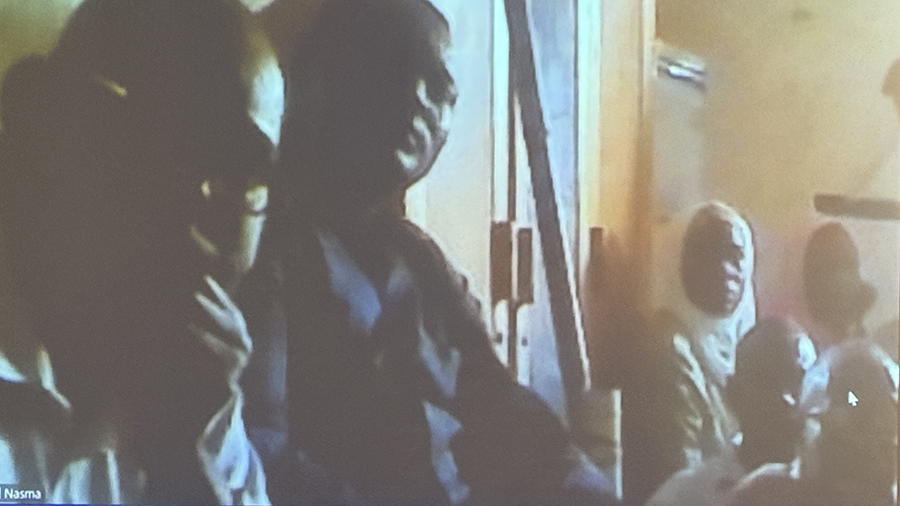
The heartbreaking story of the enduring harm wrought on the Fur people as a result of the crimes committed by the Government of Sudan (and their “Janjaweed” proxy “Ali Kushayb”) has been brought before the International Criminal Court in the reparations proceedings in The Prosecutor v. Ali Muhammad Ali Abd-Al-Rahman (Ali Kushayb).
A recent amicus brief by the General Coordination Committee (GCC) of IDPs and Refugee Camps in Sudan with support from Wayamo Foundation’s Mikel Delagrange and Abdalbasit Mohamed, reflects the lived realities, demands, and enduring harm suffered by the Fur community since the atrocities of 2003–2004 in Darfur.
“An amicus curiae brief is an external submission that assists the ICC with expertise, context, or perspectives not fully represented by the parties,” says Mikel Delagrange, Wayamo’s Senior International Legal Advisor. “In reparations proceedings, it is used to ensure the Court understands the full scope of harm and can design remedies that are fair, informed, and responsive to victims’ realities.”
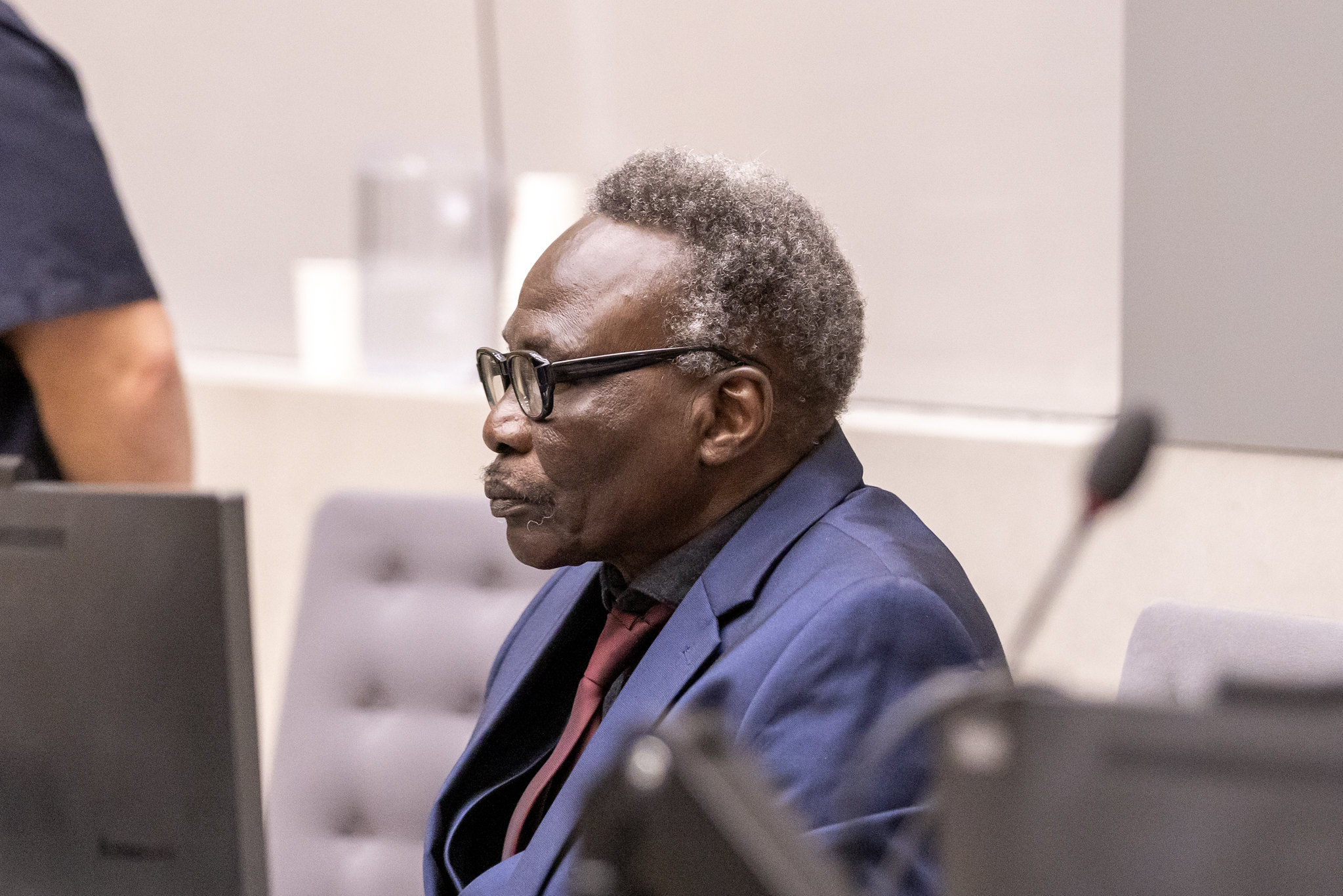
Ali Muhammad Ali Abd-Al-Rahman (“Ali Kushayb”), who was found guilty of 27 counts of crimes against humanity and war crimes which took place between August 2003 and at least April 2004 in Darfur, Sudan. Photo courtesy of International Criminal Court, Flickr.
Following the issuance of the 6 October 2025 ICC verdict which found Ali Kushayb guilty of war crimes and crimes against humanity, the GCC convened a delegation from Wadi Saleh, Central Darfur. The delegation included camp administration authorities, religious and community leaders, women and youth representatives, as well as the GCC’s spokesperson and general coordinator. Together, they represent the last surviving leadership coalition of the Fur community in Sudan.
Over two days, this assembled leadership provided detailed observations on the key issues for the court’s upcoming deliberations on reparations. These observations were recorded by Wayamo Foundation lawyers via a Starlink connection linking Darfur, Sudan and Kampala, Uganda and were faithfully reproduced in both the tone and spirit in which they were first shared in the submission to the court.
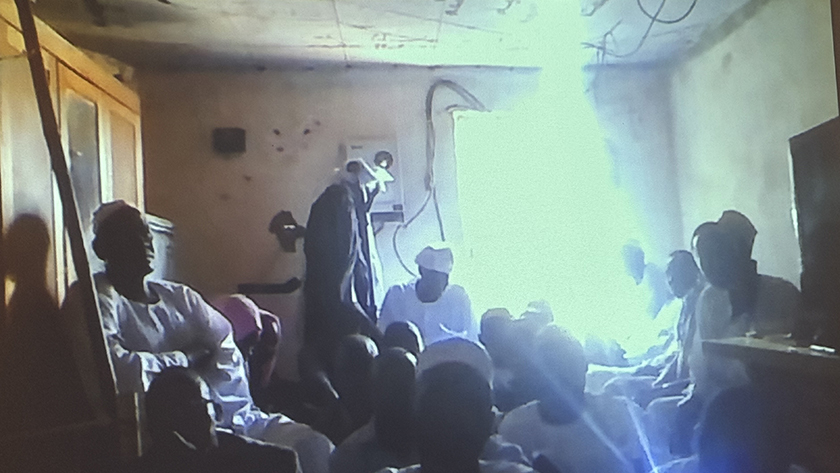
GCC leadership in Darfur.
“In this instance it was especially important to consult the GCC because they are the biggest victims association in Sudan and will be one of the principal stakeholders in any future reparations process,” says Delagrange.
The resulting brief documents both individual and collective harm suffered over more than two decades, calls for meaningful, victim-centered reparations grounded in community consultation, and urges the chamber to recognise that Ali Kushayb and the Government of Sudan are jointly and severally liable to repair in full the harm suffered by the victims in the case, including the right to return to their land.
The brief emphasises that reparations are not only material. They are also about truth, acknowledgment, and dignity. It concludes with a powerful proposition: A Reparations Order that clearly recognises that the Fur were targeted because of their ethnicity, wrongfully removed from their land, and entitled to return would itself constitute a form of justice and would be the first of its kind in the long and sordid history of impunity in Darfur. The brief argues that such a finding would not only honor victims. It would establish a critical legal precedent, strengthening the Fur community’s position in future negotiations and accountability efforts.
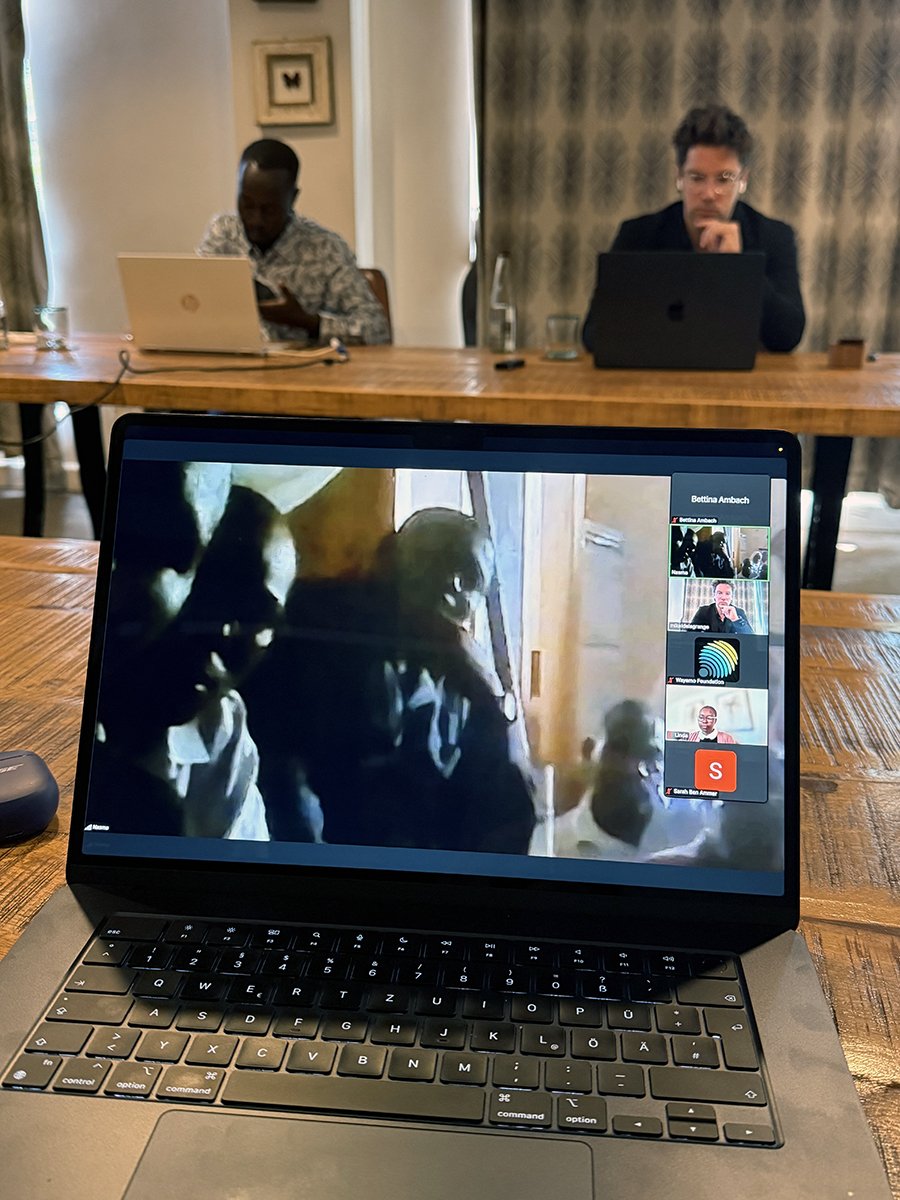
Wayamo’s Mikel Delagrange and Abdalbasit Mohamed consulting with the GCC.
For Wayamo’s Delagrange and Abdalbasit Mohamed this submission is the result of years of work which began in Kalma camp in 2021 amid political upheaval. It has evolved into a carefully grounded legal intervention shaped directly by Fur leadership, including community leaders, women, and youth representatives.
“The Fur people are defined by their longstanding relationship with the land that carries their name, Darfur,” says Abdalbasit Mohamed, Wayamo’s Sudan Legal and Research Officer. “It is of paramount importance that the Fur community returns to their territories to exercise their rightful sovereignty, reversing the legacy of forced displacement orchestrated by the Omar al-Bashir administration, which sought to engineer demographic shifts through the resettlement of external groups upon their ancestral lands”.
“Representing the Fur leadership of the GCC in this process, together with Abdalbasit Mohamed, has been one of the great honors of my career,” says Delagrange. “We now place our trust in the ICC Judges to heed the GCC’s call and provide some modicum of satisfaction to the surviving victims of Darfur.”
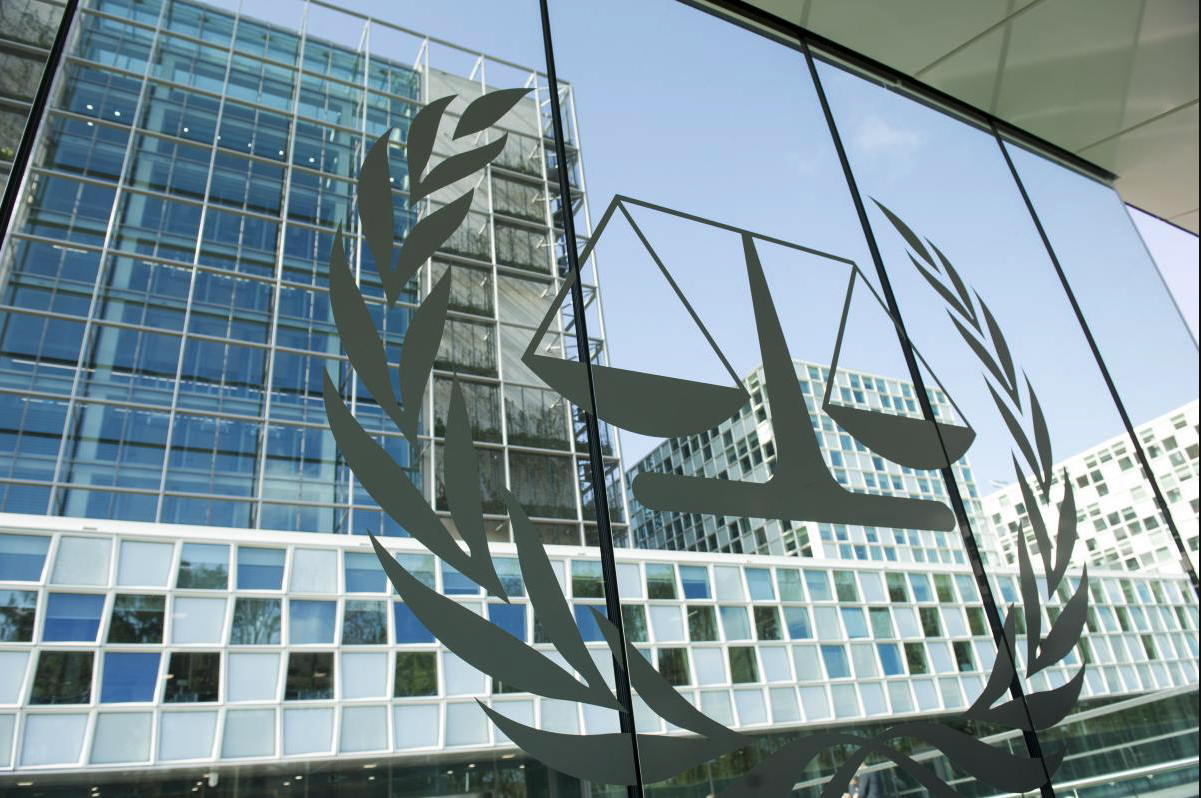
ICC headquarters in The Hague. Image courtesy of the ICC, Flickr.
