
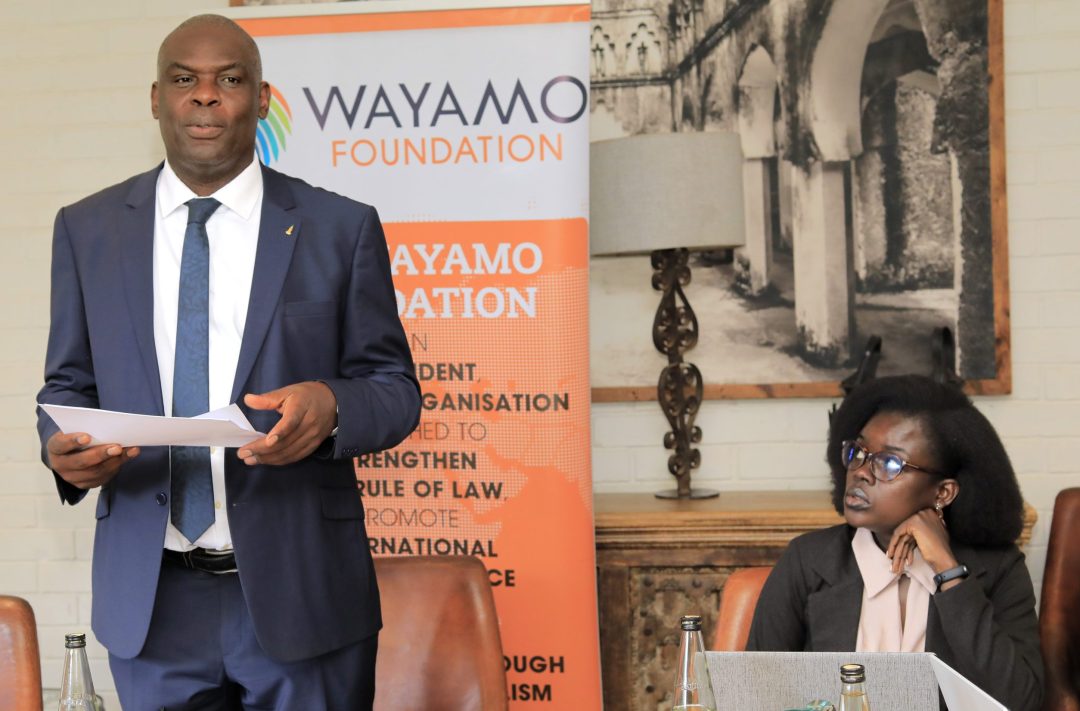
On 23 – 24 March 2026, the Wayamo Foundation convened an international criminal law symposium to explore the promise of international criminal justice in Ugandan and Kenyan Courts. The symposium brought together prosecutors and judges involved in the prosecution and adjudication of international crimes to discuss opportunities presented by the International Criminal Court Act in Uganda, and the International Crimes Act in Kenya, and to reflect on a central question: what needs to happen to ensure that countries with the necessary legal frameworks actually use them?
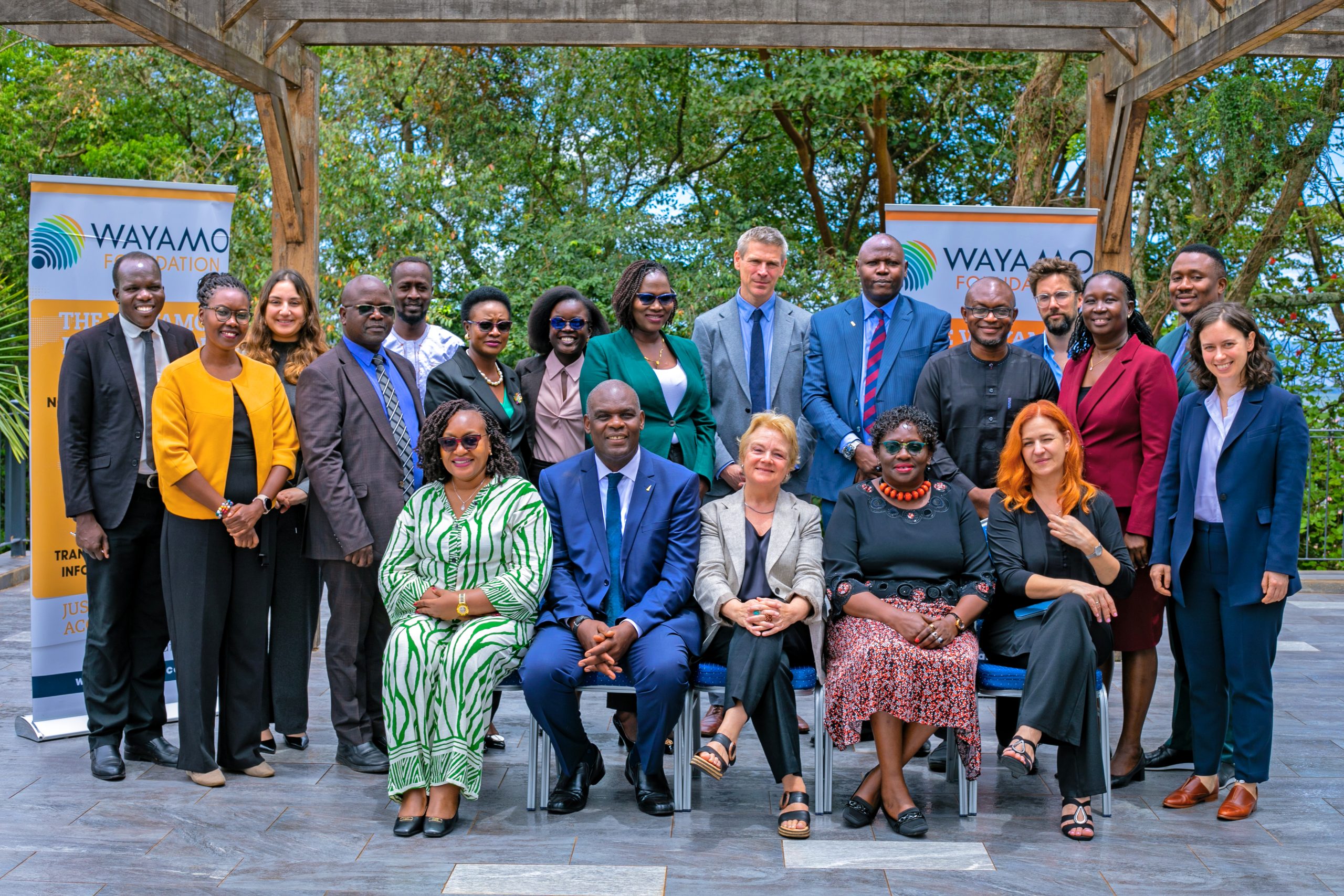
The meeting brought together international experts, including:
- Volker Nerlich, Head of Chambers’ Staff at the International Criminal Court (ICC)
- Anya Neistat, President of InterJust
- Antonia David, Legal Director of InterJust
- Akingbolahan Adeniran, former ICC investigator and trial lawyer
- Daniel Ruhweza, Senior Lecturer and Head of the Department of Law and Jurisprudence at the School of Law, Makerere University.
Welcoming remarks were delivered by the Honorable Mike Chibita, Justice of the Supreme Court in Uganda, who provided an overview of the history of international criminal law and reflected on the experiences of the International Criminal Court (ICC), highlighting both its impact and the challenges it faces. Justice Chibita ended by inviting participants to reflect on “whether the future of international criminal justice is domestic, international, or even corporate” and reminding them of the solemn pledge taken to end impunity.
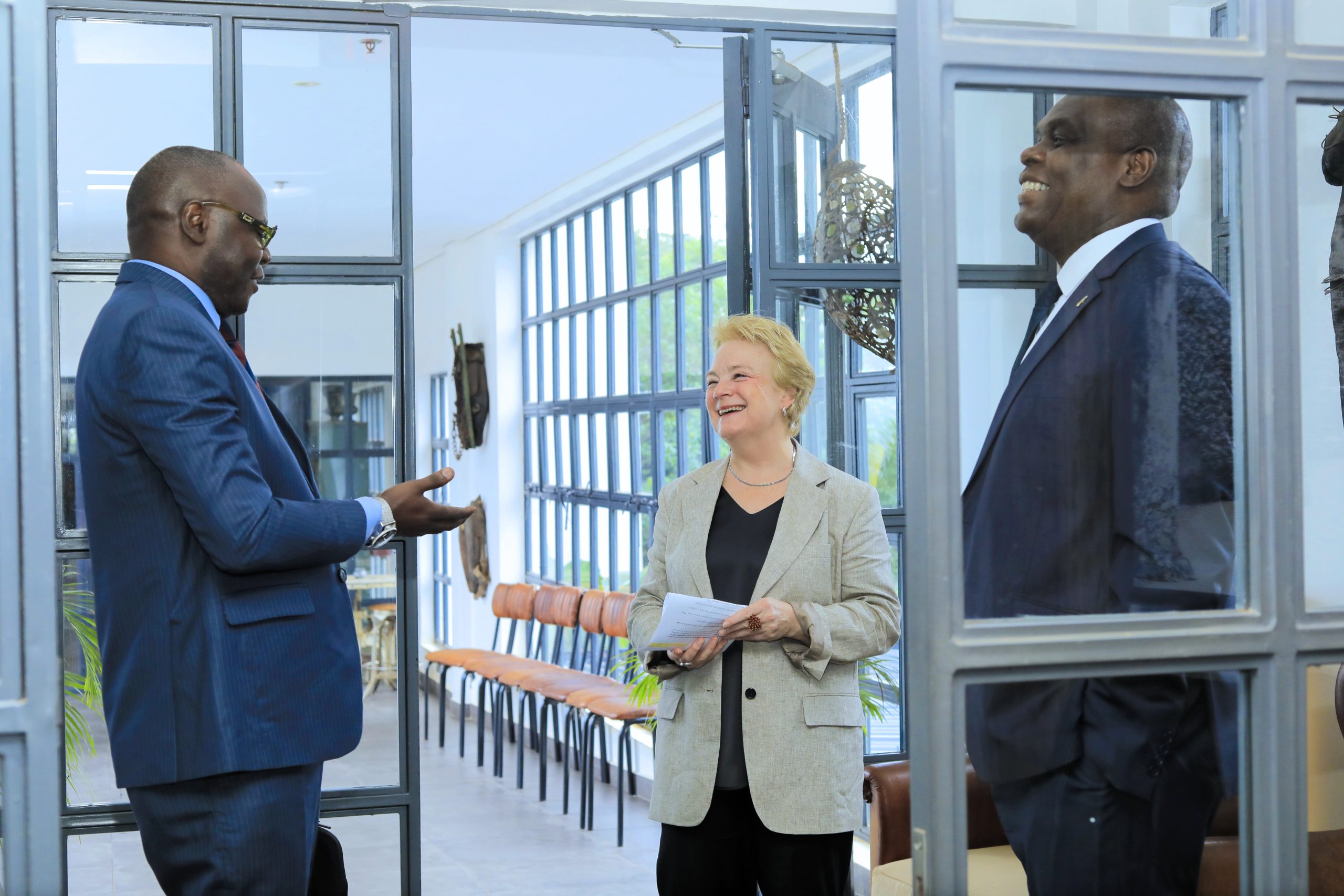
Charles Kaamuli, Mike Chibita and Bettina Ambach.
In her opening remarks, Director Bettina Ambach emphasized Wayamo’s role as a facilitator of complementarity, stressing that the role of domestic courts in the justice and accountability architecture had become more critical than ever. She stated that the goal of the meeting was to initiate a discussion on how to use international criminal law provisions in Uganda and Kenya more effectively, and to lay the groundwork for expanding universal jurisdiction opportunities for international crimes cases in the region.
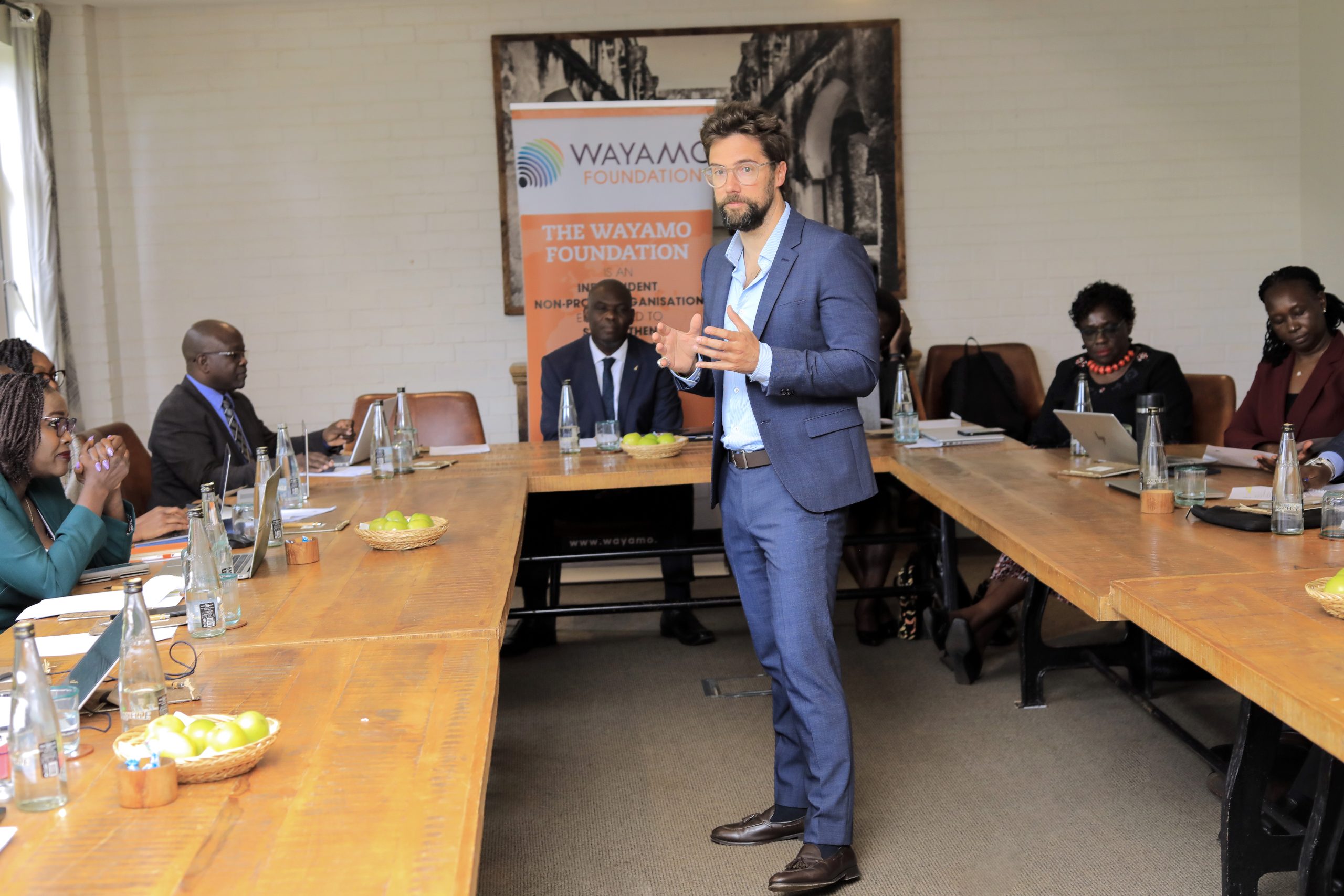
Mikel Delagrange.
In his introduction to the workshop, Mikel Delagrange, Senior Legal Advisor at Wayamo, encouraged participants to challenge the assumption that the ICC is the sole seat of international criminal justice, noting that this perception can “suck the air out of the room”. He urged them instead to consider how international criminal law could be applied domestically and what it would look like in practice. Participants were also advised that starting with “low-hanging fruit”, meaning cases with lower political sensitivity, could be a good way to help “build muscle” in the prosecution of universal jurisdiction (UJ) cases in the future. This resonated with participants, with a judge notably saying that the symposium “changed his mindset” acknowledging that it was important to “establish the practice and to start with smaller, not too complicated cases”.
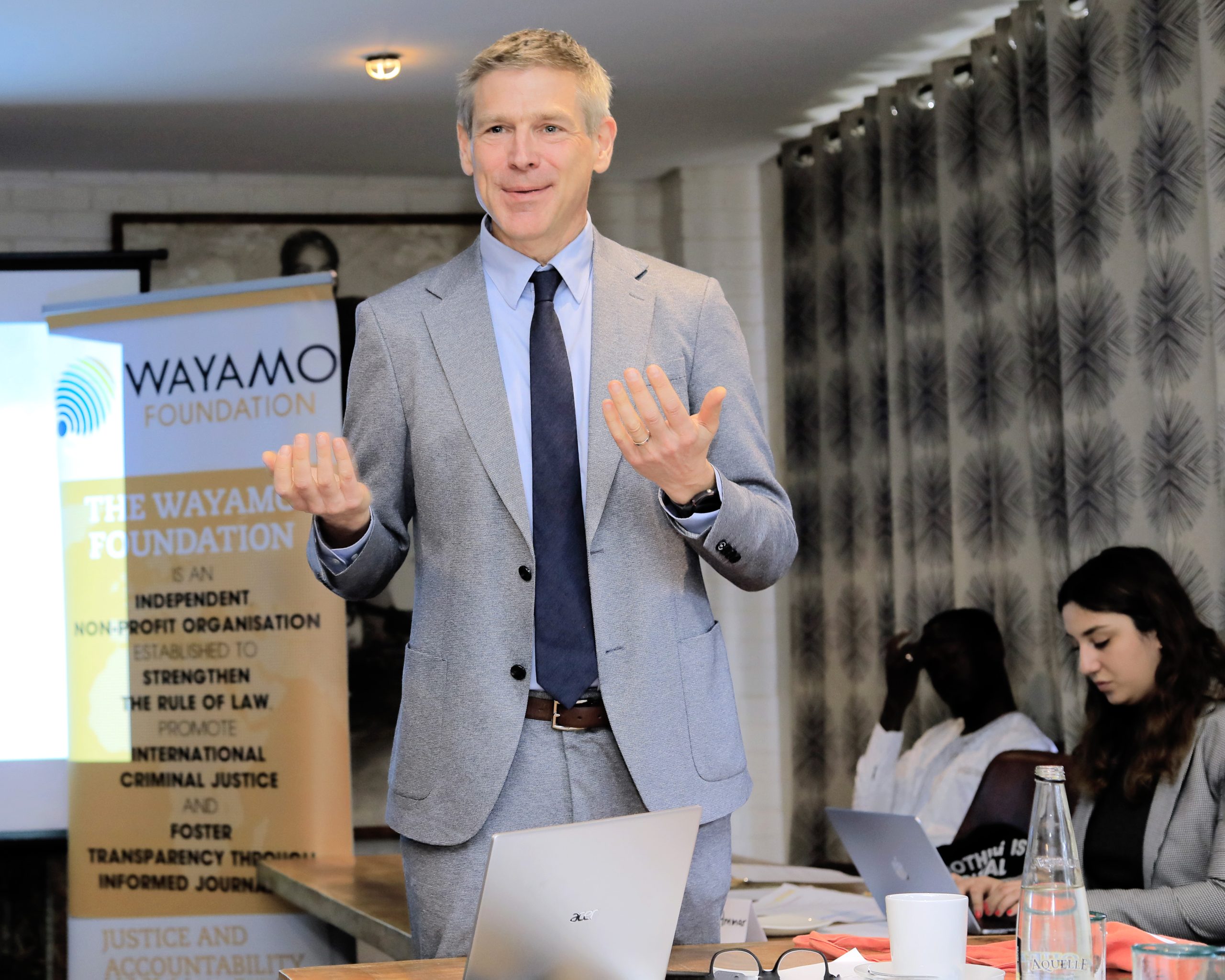
Volker Nerlich.
Volker Nerlich, Head of Chambers’ Staff at the ICC, delivered a lecture on international criminal law, focusing on the chapeau elements of crimes against humanity and the various modes of liability under the Rome Statute, in particular command responsibility. To simplify these concepts, he used a “tree and forest” analogy to distinguish between the broader contextual elements (the “forest”) and the underlying acts (the “trees”), helping participants better understand how international crimes are structured.
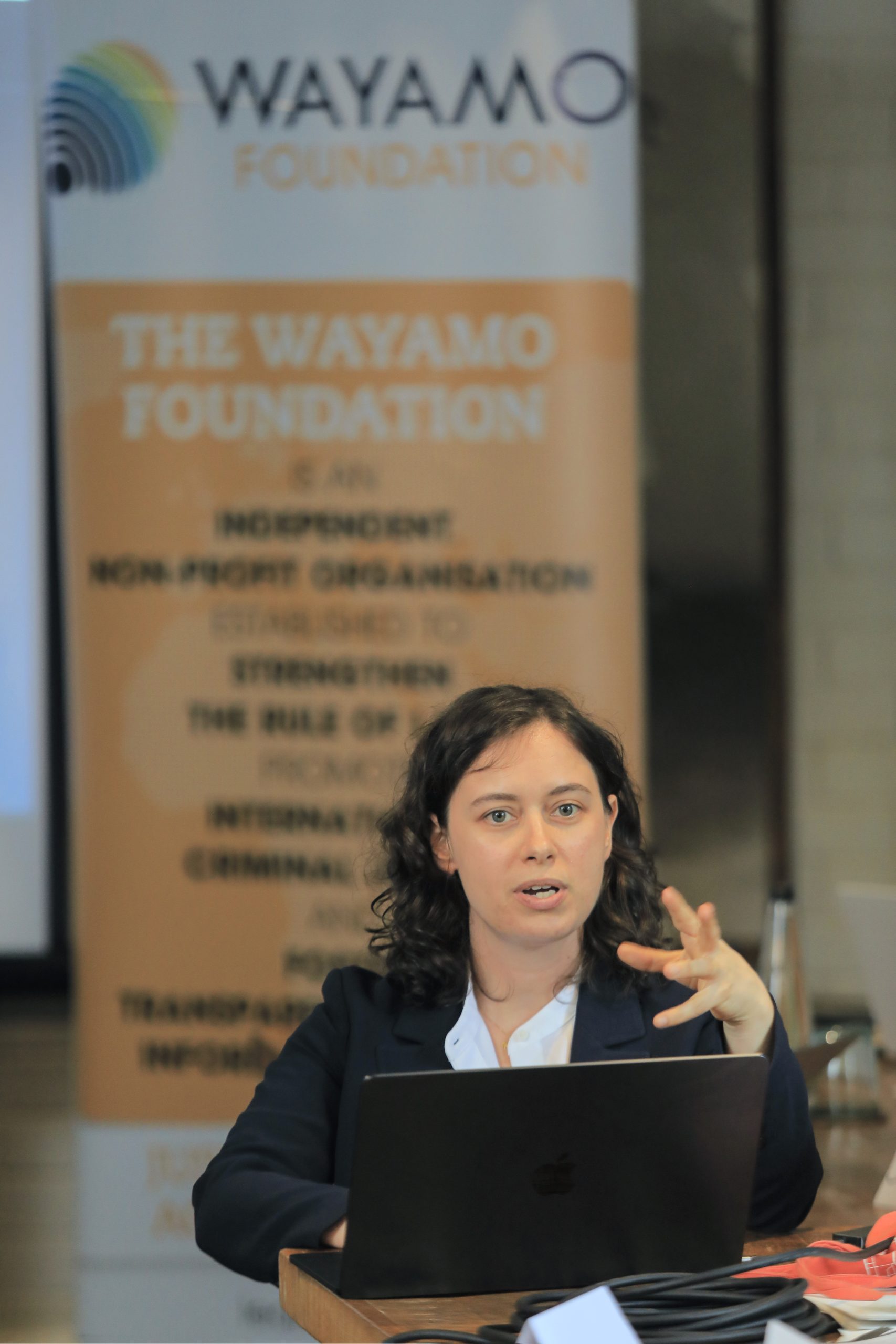
Antonia David.
The colleagues from InterJust followed with a presentation on universal jurisdiction, explaining that they prefer using the broader formulation “the ability of national jurisdictions to try international crimes” as it better captures the wide spectrum of legal bases and procedural avenues through which domestic courts could prosecute such crimes. They notably presented Project Meridian, a database they created to compile the extensive research on UJ laws around the world. Their findings show that while 148 UN Member States (76%) have criminalized at least one serious international crime, only 22 have ever applied these laws in practice. They emphasised that InterJust’s work seeks to bridge this gap by encouraging more countries to prosecute cases using UJ laws.
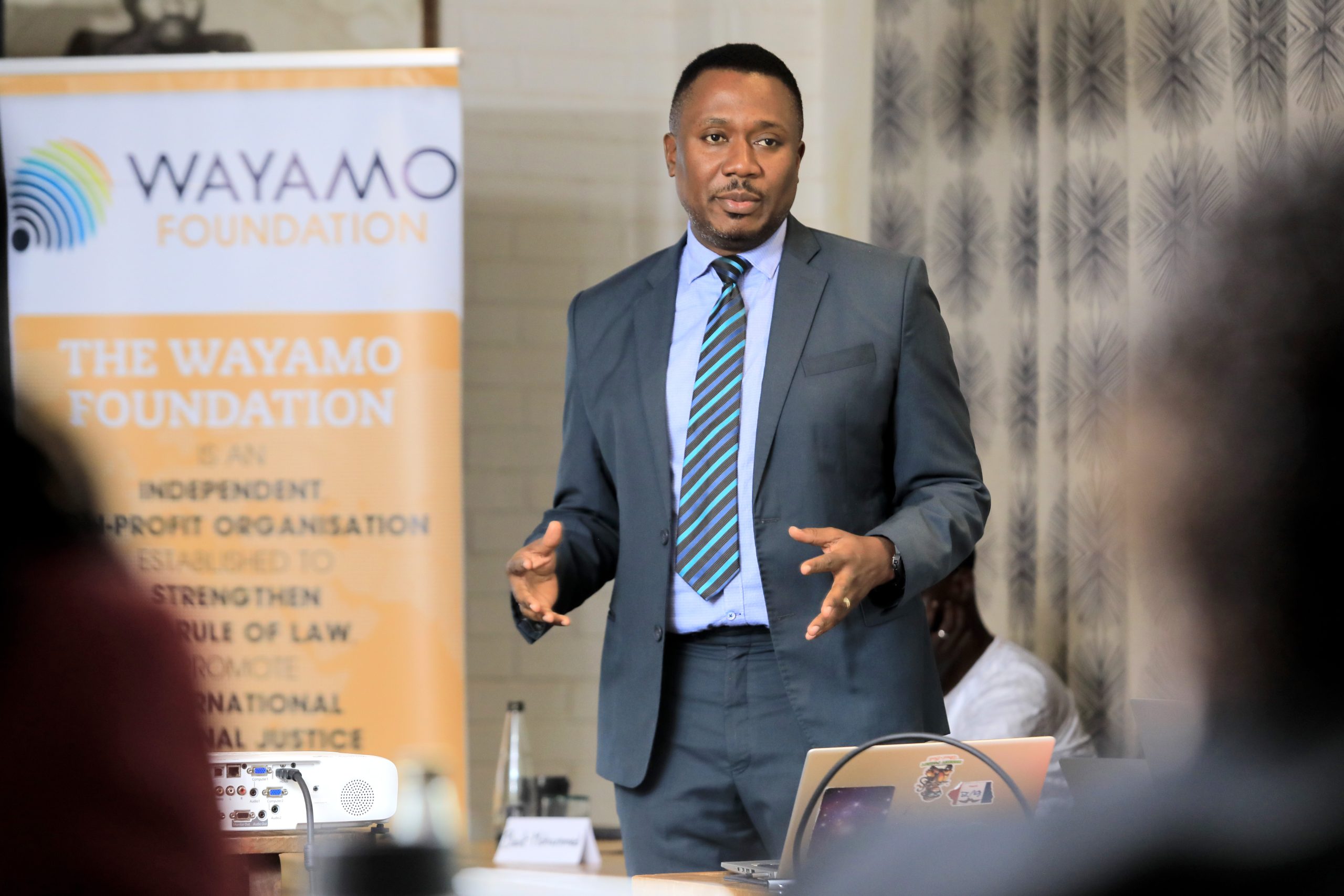
Daniel Ruhweza.
Presentations on universal jurisdiction provisions in Uganda and Kenya were delivered by Dr. Ruhweza and Linda Bore, International Criminal Lawyer and Project Coordinator at Wayamo, respectively. Both countries have robust legal frameworks for UJ, notably the International Criminal Court Act in Uganda and the International Crimes Act in Kenya, further strengthened by constitutional incorporation of international law. However, political considerations, prosecutorial discretion, and practical constraints have limited their consistent application. Both states also have experience with international crimes cases, including Uganda’s Thomas Kwoyelo case and Kenya’s ongoing Baby Pendo and Kwa Binzaro crimes against humanity cases, with Bore also highlighting the 2023 Shakahola case in Kenya which was prosecuted as multiple murders but could have been charged as crimes against humanity.
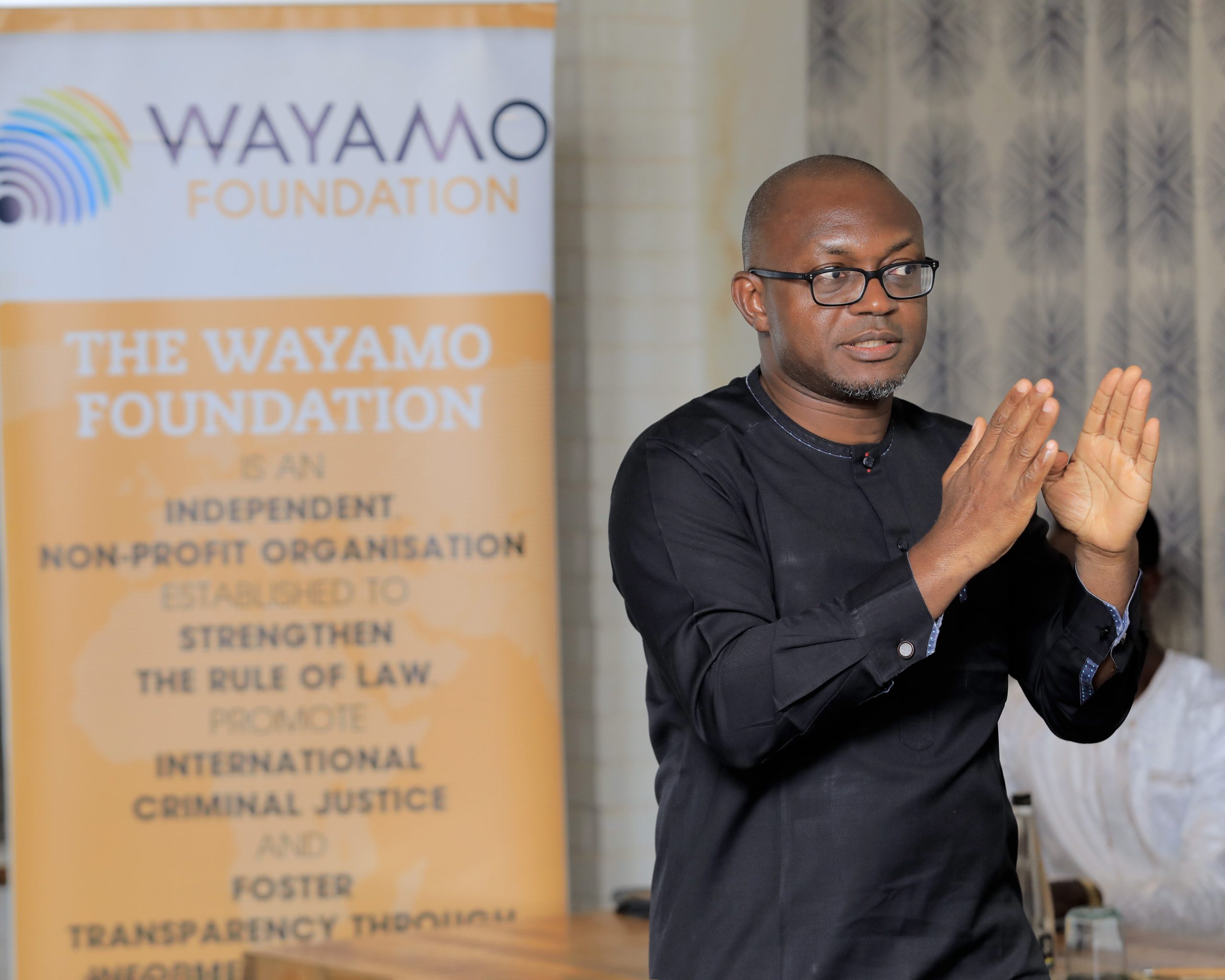
Akingbolahan Adeniran.
The final presentation of the day focused on evidence in international criminal cases, emphasizing that investigations form the backbone of any criminal prosecution. Akingbolahan Adeniran, former ICC investigator and trial lawyer, outlined three core evidentiary pillars: contextual evidence (to establish the broader situation), crime-base evidence (to prove the underlying acts), and linkage evidence (to connect the accused to those acts). He then led participants through a fictional scenario, where they had to come up with an investigation plan and identify the types of evidence they would need to prove their case in a domestic court. The use of a case matrix was recommended as a practical tool to break down the legal elements of each crime and mode of liability, visually map how the evidence connects, and identify gaps at an early stage.
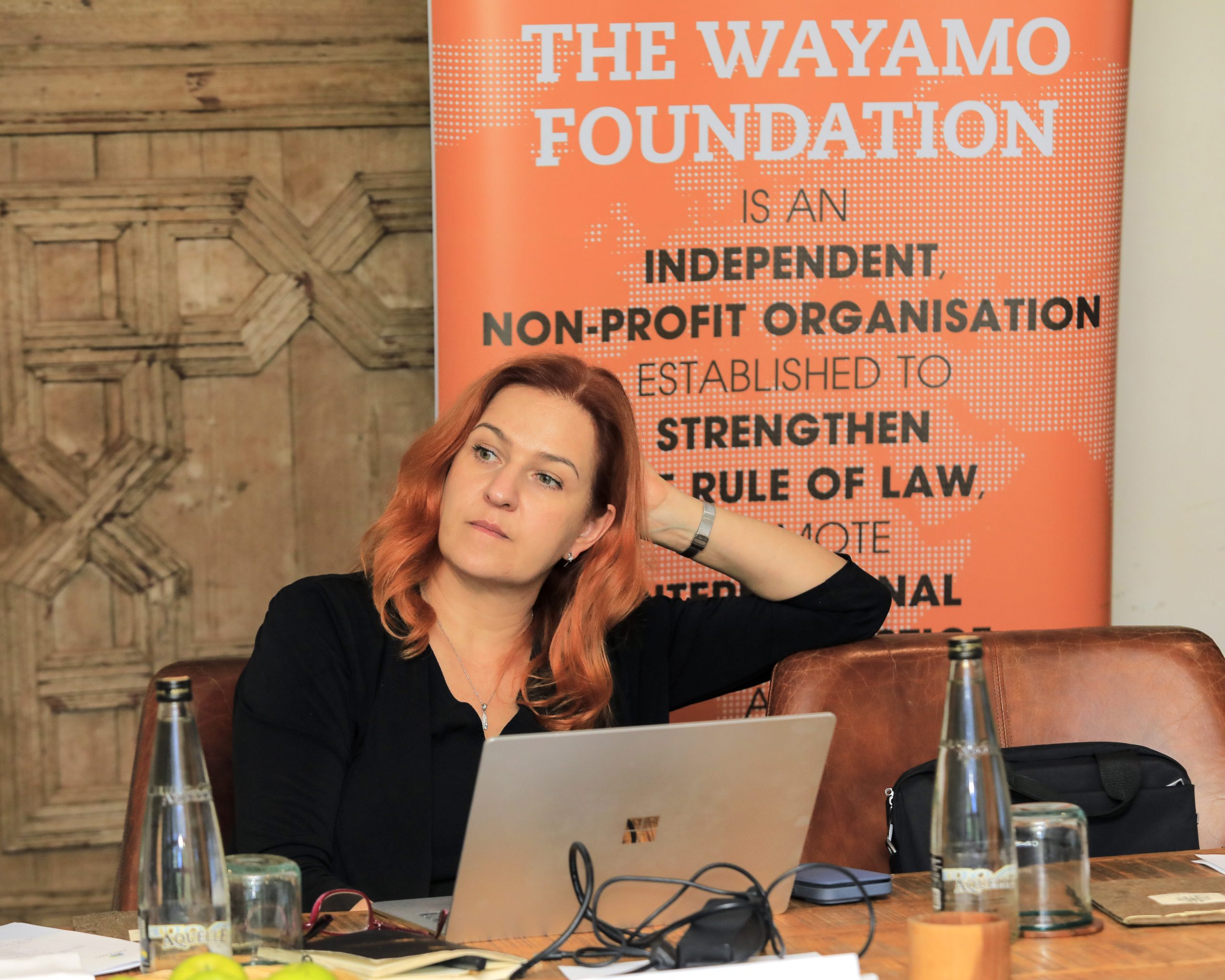
Anya Neistat.
The second day focused on the role of civil society in helping build universal jurisdiction cases. InterJust presented its strategic, prosecution-oriented approach, focusing on narrowing investigations, identifying patterns, and aligning evidence collection with legal and jurisdictional requirements, including through the use of open-source intelligence (OSINT), digital tools, and fieldwork. Participants shared practical experiences of collaboration, noting that NGOs can contribute through capacity building, outreach, victim and witness support, and targeted investigative assistance. The discussion also addressed legal and ethical constraints, such as admissibility standards, evidentiary value, privacy, and data protection, among others. InterJust also presented their approach to fugitive tracking which combines OSINT, human intelligence, and official channels to build detailed profiles that can help identify and locate suspects.
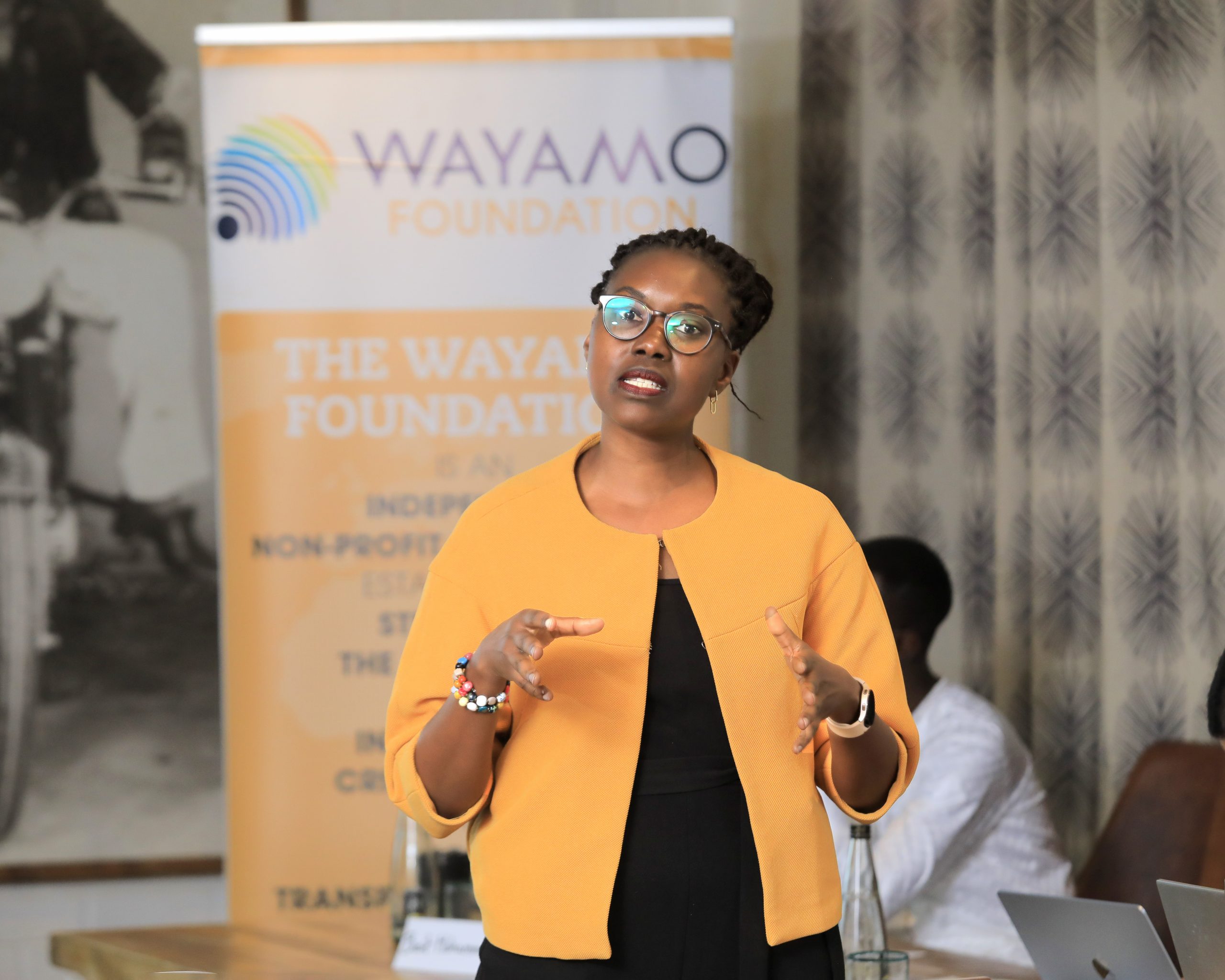
Linda Bore.
Finally, the symposium ended with a practical fictional scenario, giving participants the opportunity to put into practice the theoretical learnings of the previous two days. This exercise notably helped identify some of the main obstacles that still exist in context with universal jurisdiction cases. One of the recurring issues was the admissibility of digital evidence and the different rules of how to authenticate evidence in Uganda and Kenya. The general advice was to “admit these modern forms of evidence and deal with their value and weight later”.
Participants agreed that Uganda and Kenya’s legal frameworks offer viable venues for UJ cases, such as cases of serious human rights violations committed in Sudan, but they also acknowledged that these provisions to exercise universal jurisdiction have never been tested. Participants also recognized that there is a potential public interest in investigating crimes committed by Sudanese suspects present in their territories.
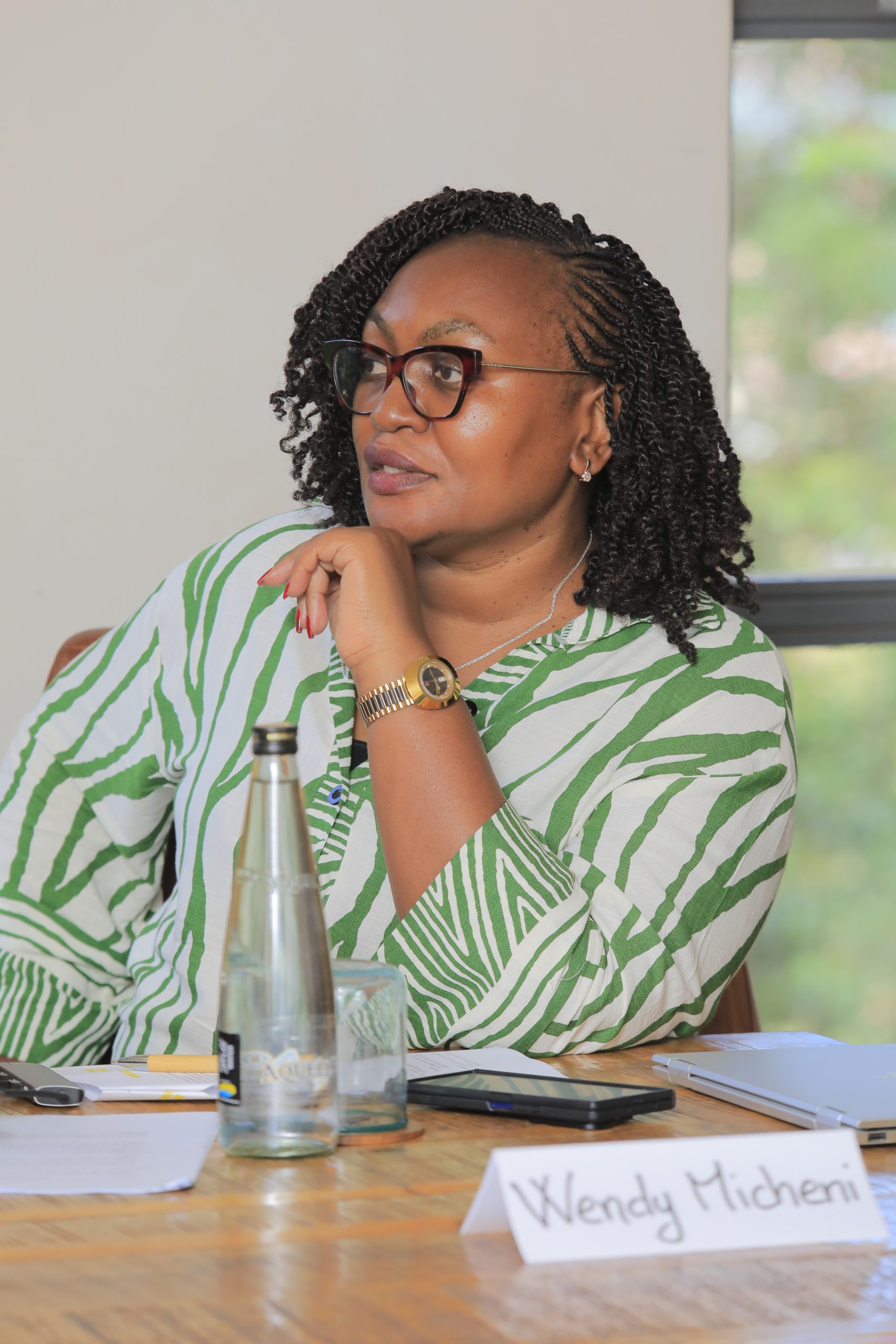
Wendy Micheni.
They pointed to both “national security concerns”, noting that “there could be a risk of spillover of the [Sudanese] conflict in the region” and the broader responsibility to prosecute the gravest crimes.
As one participant put it, “International crimes concern the global community and Uganda should address them.”
The participants however noted the need for political will, strengthened specialised investigative capacity, prosecutorial expertise, better witness protection, more funding and institutional support to translate legislative potential into concrete cases. Throughout the symposium, participants also debated the admissibility of different types of evidence, including NGO reports and digital materials, highlighting the need to amend Uganda’s Evidence Act to better reflect contemporary forms of evidence, particularly digital evidence.
As one of the judges noted: “Universal jurisdiction is not a foreign concept and it is something we can do here in East Africa.”
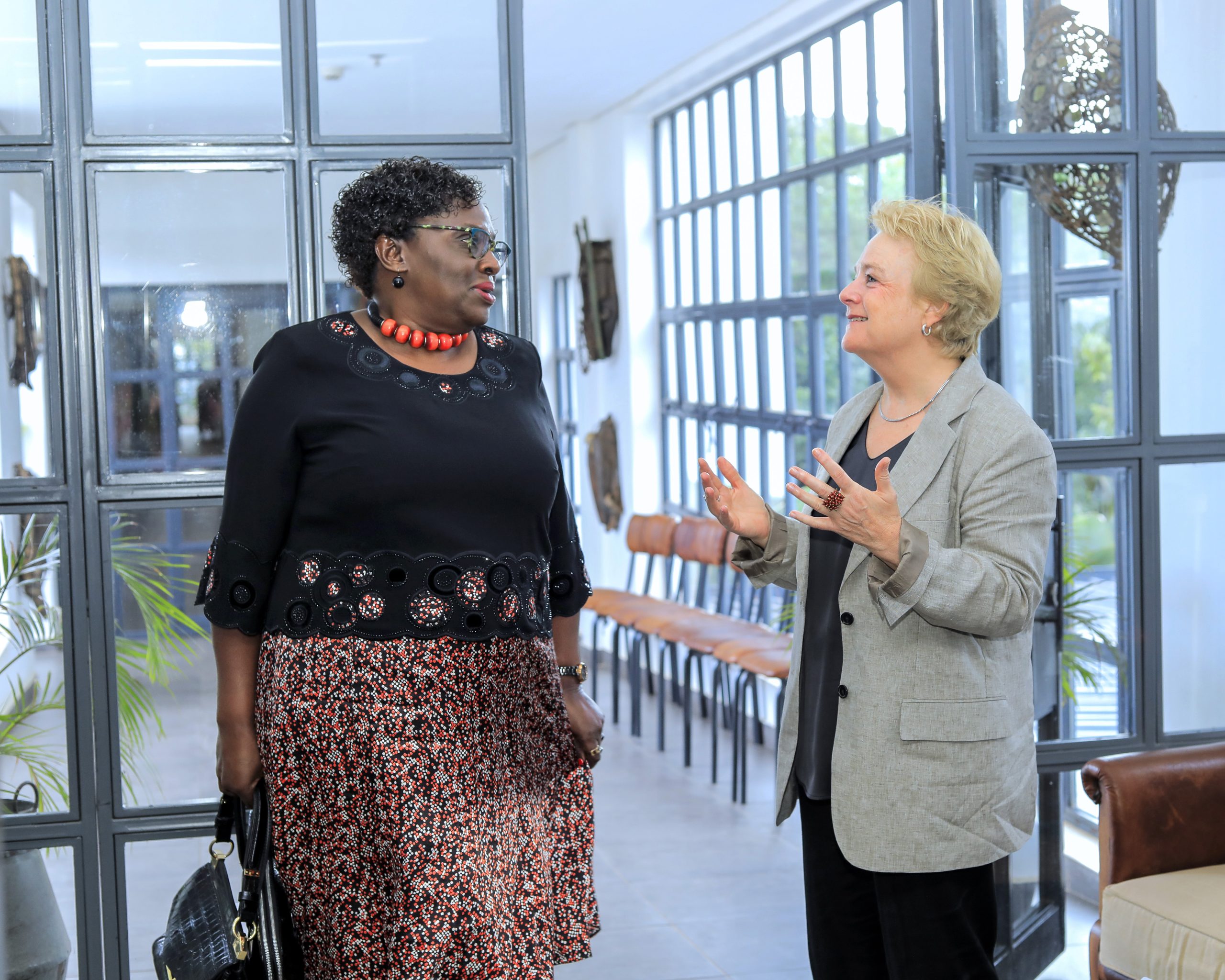
Susan Okalany and Bettina Ambach.
Another participant added: “The prospects for universal jurisdiction are bright. We have the legal regime, we just need the creation of awareness and lobbying of the central legal authorities of East African countries.” They highlighted that while “East Africa has many problems, it also presents many opportunities.”
At the same time, participants recognised the weight of political will, observing that while Uganda “ticks all the boxes on the legal side” for universal jurisdiction, it is ultimately “more of a political decision than a legal one”. One participant stated that “political will is fluid but it is worth trying by bringing cases against low-profile suspects.” This approach supports the idea that successful cases should start with “prosecution of low-profile suspects who have committed crimes within the region that does not require much resources,” and that cases should ultimately be brought to “guarantee security in the region and to prevent Uganda being a safe haven for criminals.”
