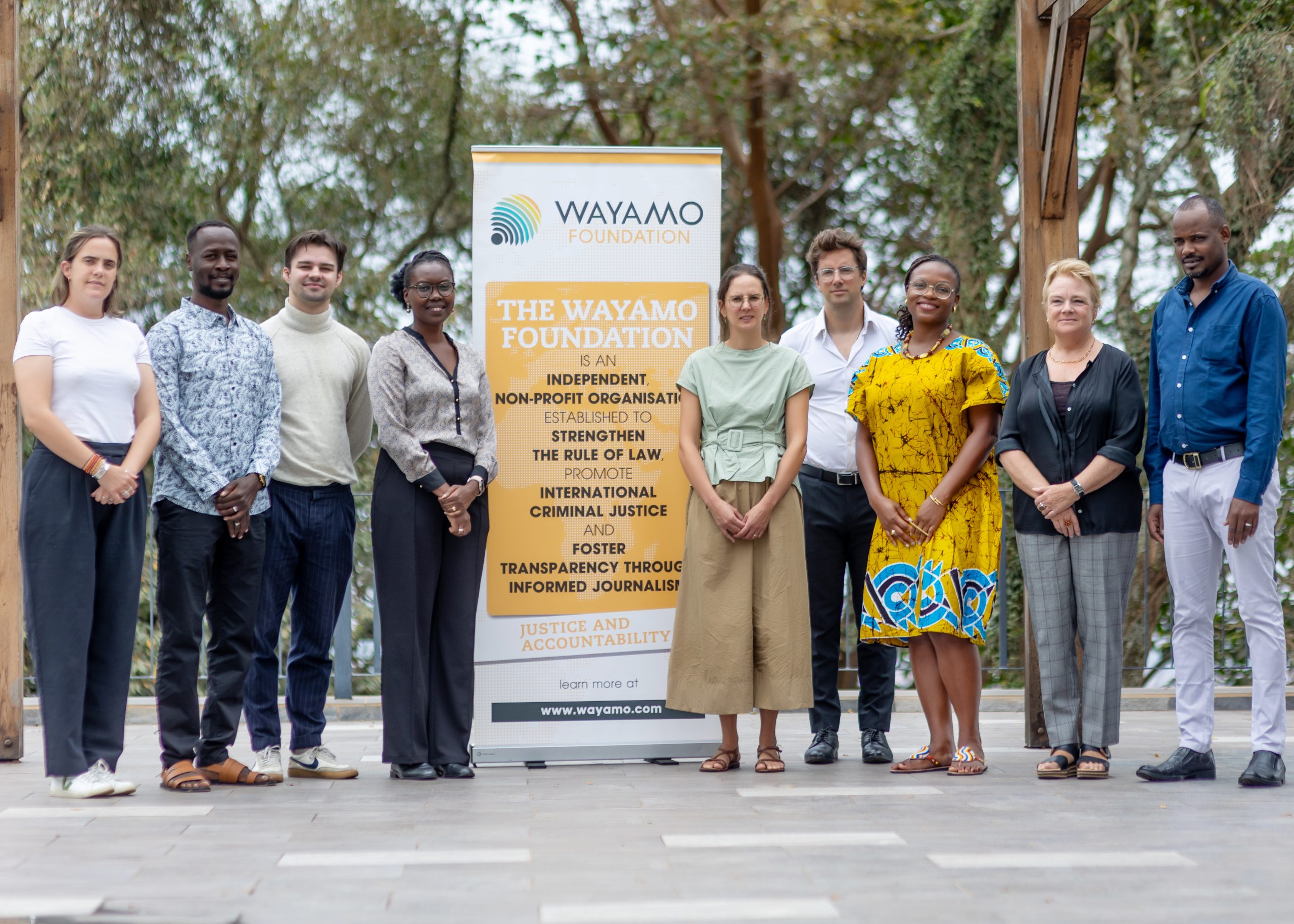
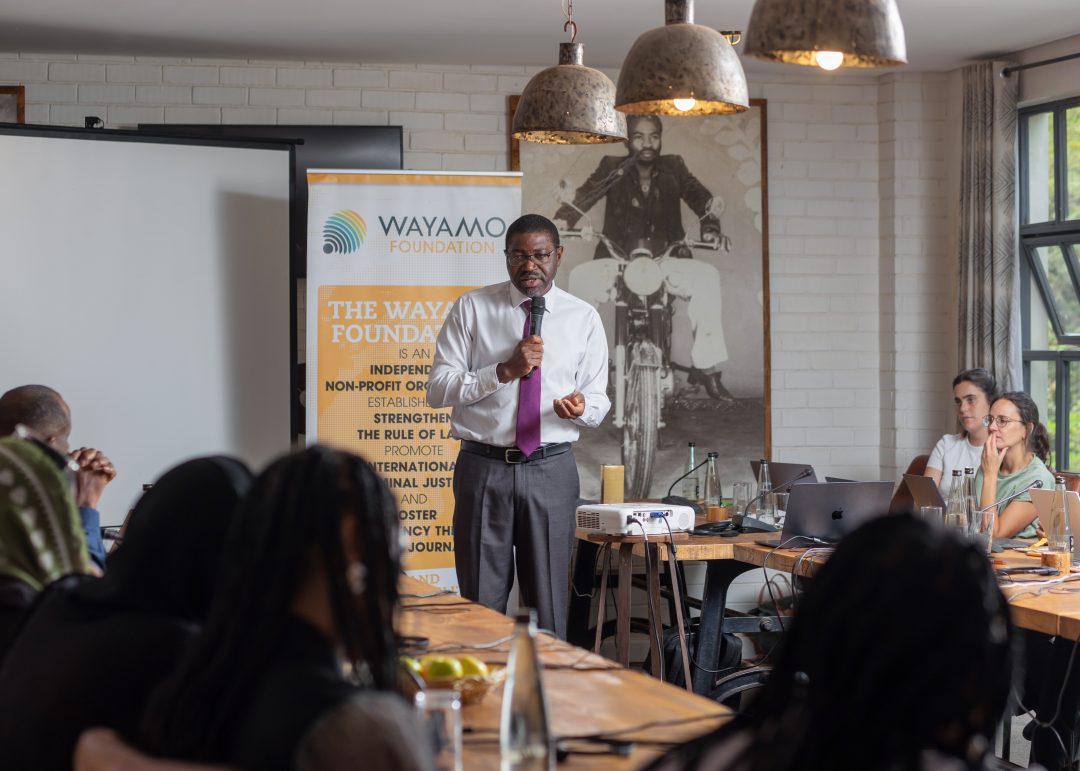
From 8–12 September 2025, Wayamo organised a workshop and mentoring sessions in Kampala, Uganda, for Sudanese human rights defenders and independent lawyers on the documentation of human rights violations.
The workshop provided additional support in the art of conducting screening interviews when documenting human rights violations in the field. The training focused on delivering practical exercises, where participants practiced their screening skills through various case scenarios.
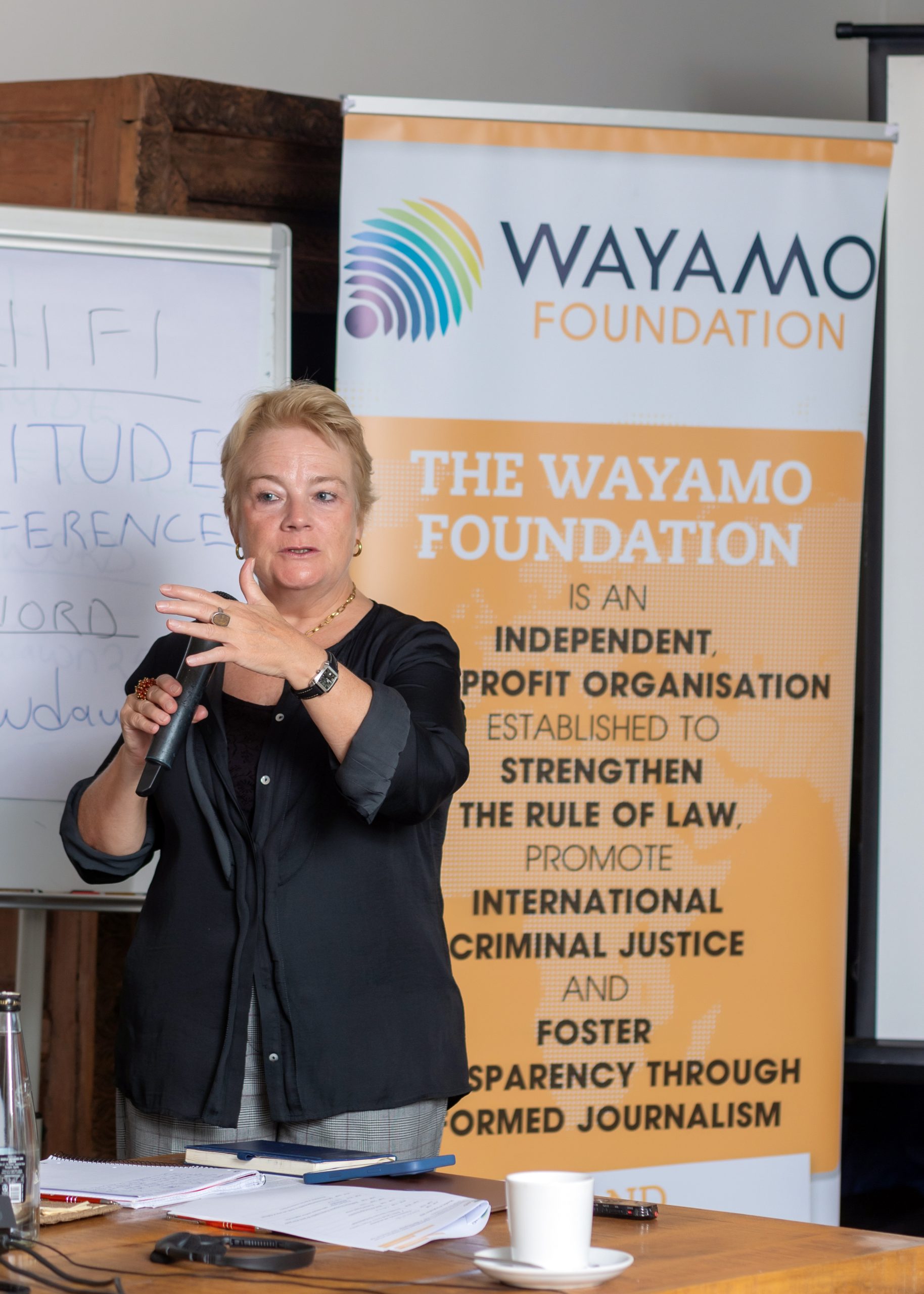
Bettina Ambach
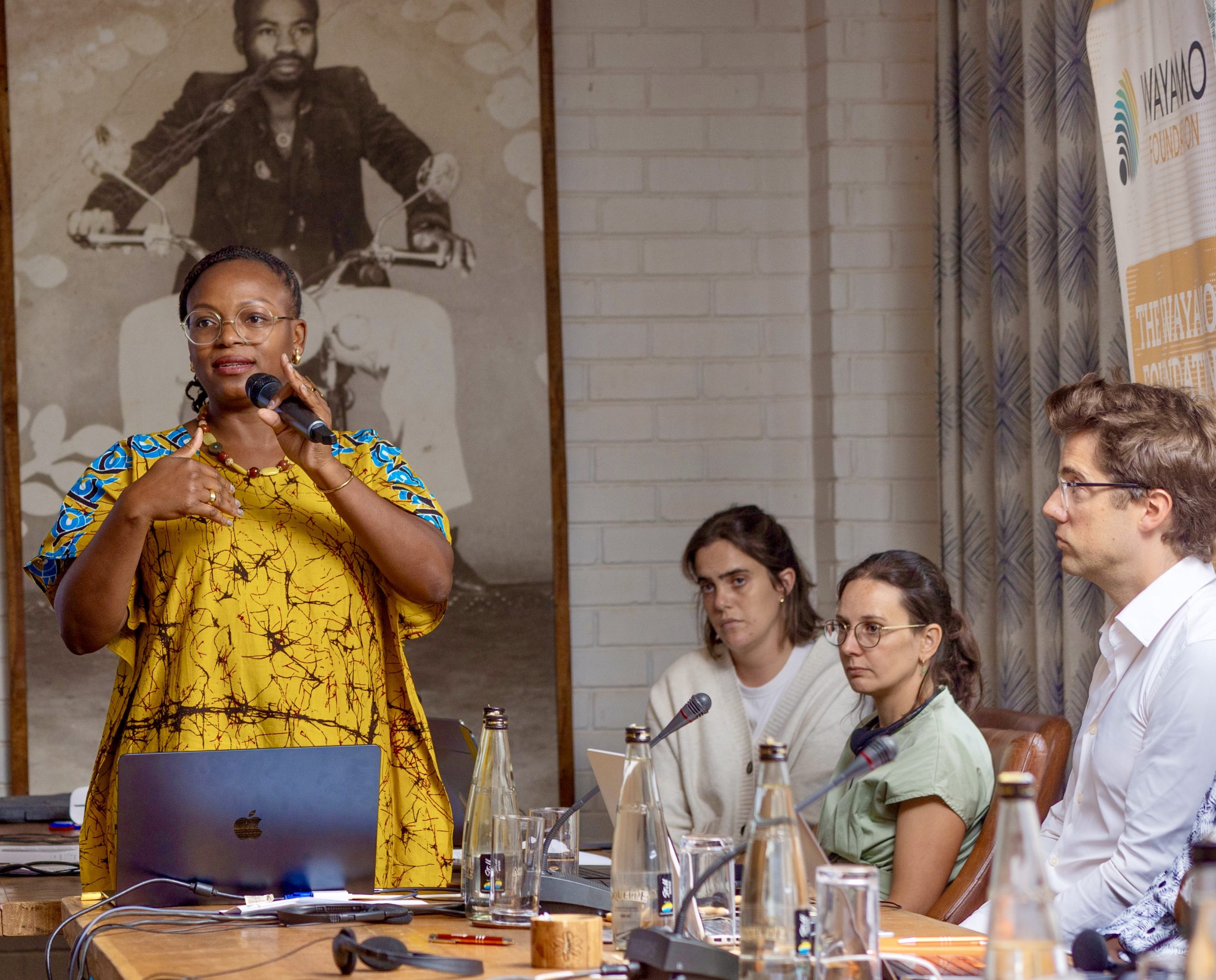
The workshop sessions were opened by Wayamo Director Bettina Ambach, who reminded participants that the main purpose of screening a potential witness or victim is to provide a solid foundation for helping investigators and prosecutors understand what the witness actually knows and the basis of that knowledge (how they know it).
This was followed by a talk from Prof. Dapo Akande, Chichele Professor of Public International Law at the University of Oxford, who spoke about how various treaties and courts (both regional and international) contribute to accountability by holding states responsible for their actions under international law.
Possible venues for cases brought by States against other States include the International Court of Justice and regional human rights bodies such as the African Court on Human and Peoples’ Rights. Prof. Akande noted that recent inter-State proceedings before the ICJ reflect a clear increase in the use of that court to address serious human rights violations.
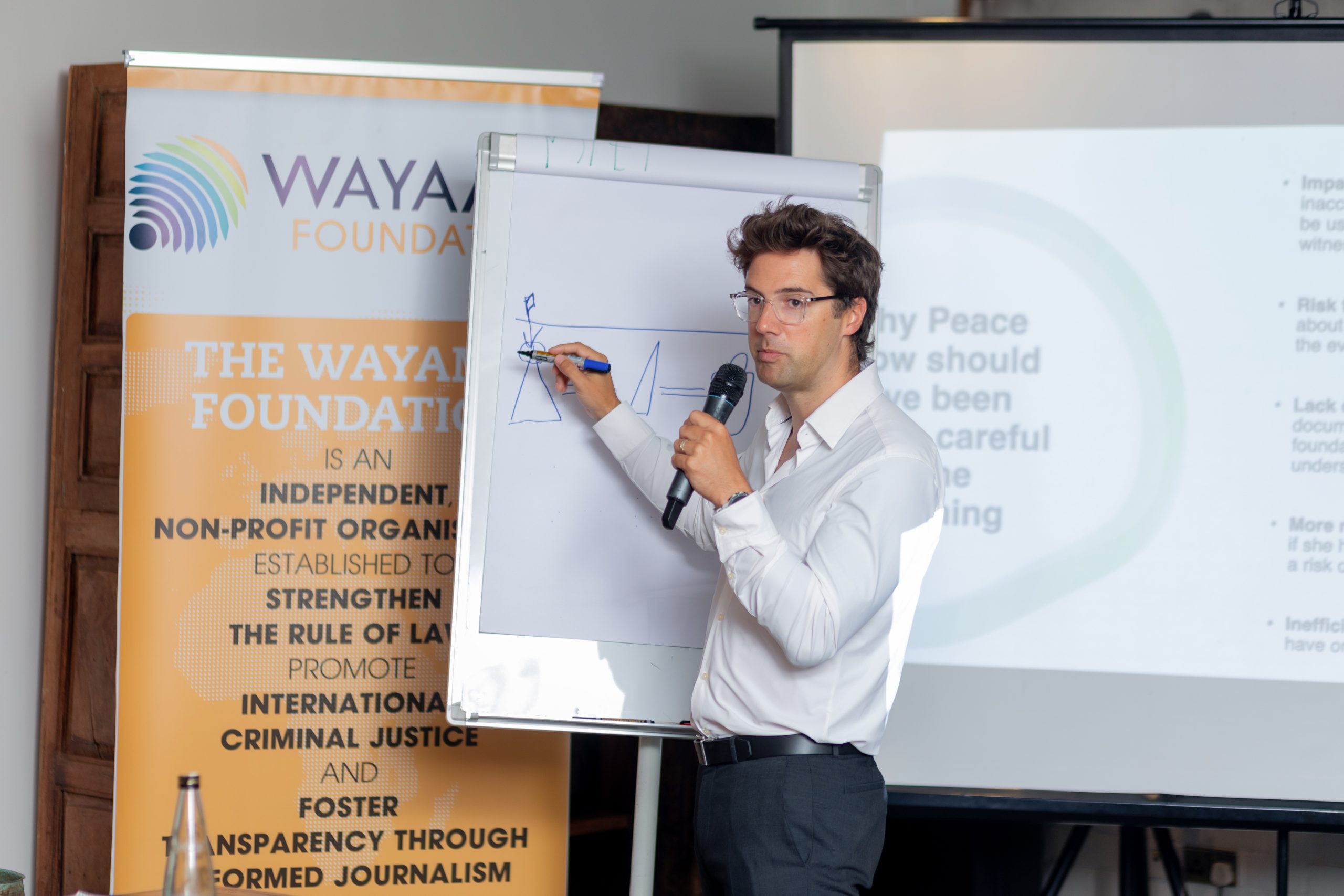
Mikel Delagrange
The interview training that followed was led by Adejoké Babington Ashaye, International Law Expert with a focus on accountability for SGBV, and Wayamo’s Senior International Legal Advisor, Mikel Delagrange. Participants also engaged with experts, Julie Bardeche, Senior Legal Advisor and Caitlan Lloyd, Legal Officer, both from REDRESS and Charlotte Andrews-Briscoe, lawyer at the Global Legal Action Network (GLAN) who led them through practical exercises and case scenarios.
The workshop concluded with a session on database tools and how to transmit data securely and effectively from the field, conducted by Alexandra Stassinopoulos, Data scientist, and Abby Schneiderhan, Analyst, both from the Center for Advanced Defense Studies (C4ADS).
Participants appreciated the course content.
“I have learned how to properly document violations in Sudan using international standards,” noted one of the participants.
Another highlighted the practical nature of the training.
“I have learned practical skills on how to conduct a screening interview, as well as technical skills on how to submit the data I have captured,” they mentioned. “All this will be very useful in our day-to-day work.”
The style of delivering the workshop was appreciated by the participants who commented that “the simulation session was practical and useful, far better than theoretical delivery.”
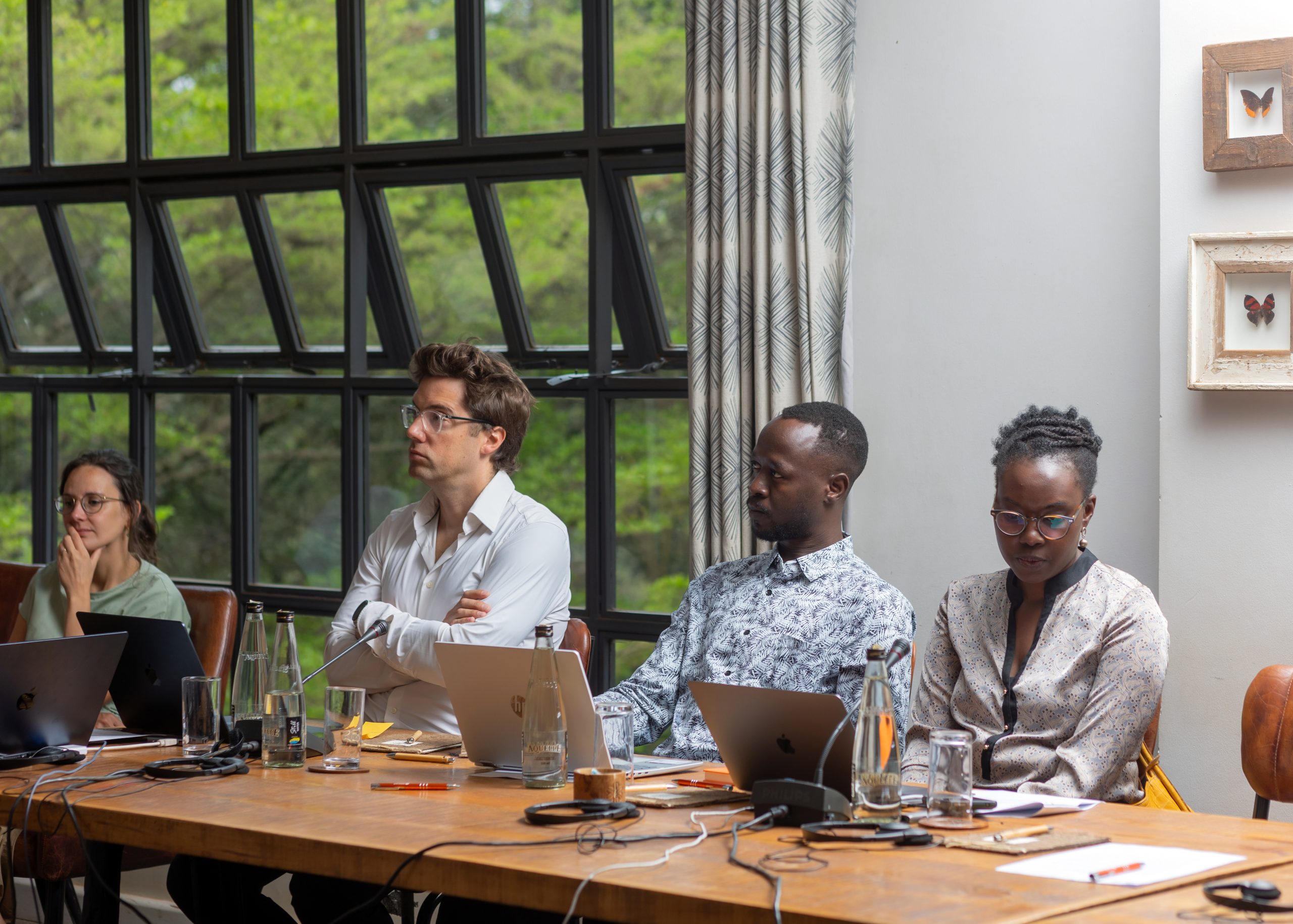
“This is the most incredible training I have ever been to,” stated another participant. “I look forward to attending further training sessions applying this approach.”
“We will of course ensure that the information learned in this workshop will be transmitted to our team in the field.”
The week concluded with bilateral meetings held between 10–12 September 2025, with the respective Sudanese organisations. The meetings provided organisations with the opportunity to participate in one-on-one mentorship sessions with the assembled experts.
During these exchanges, organisations presented their documentation work undertaken thus far and highlighted challenges encountered in the documentation of human rights violations. The experts offered tailored advice on overcoming these challenges and shared guidance on best practices in the field. Potential next steps were also discussed.