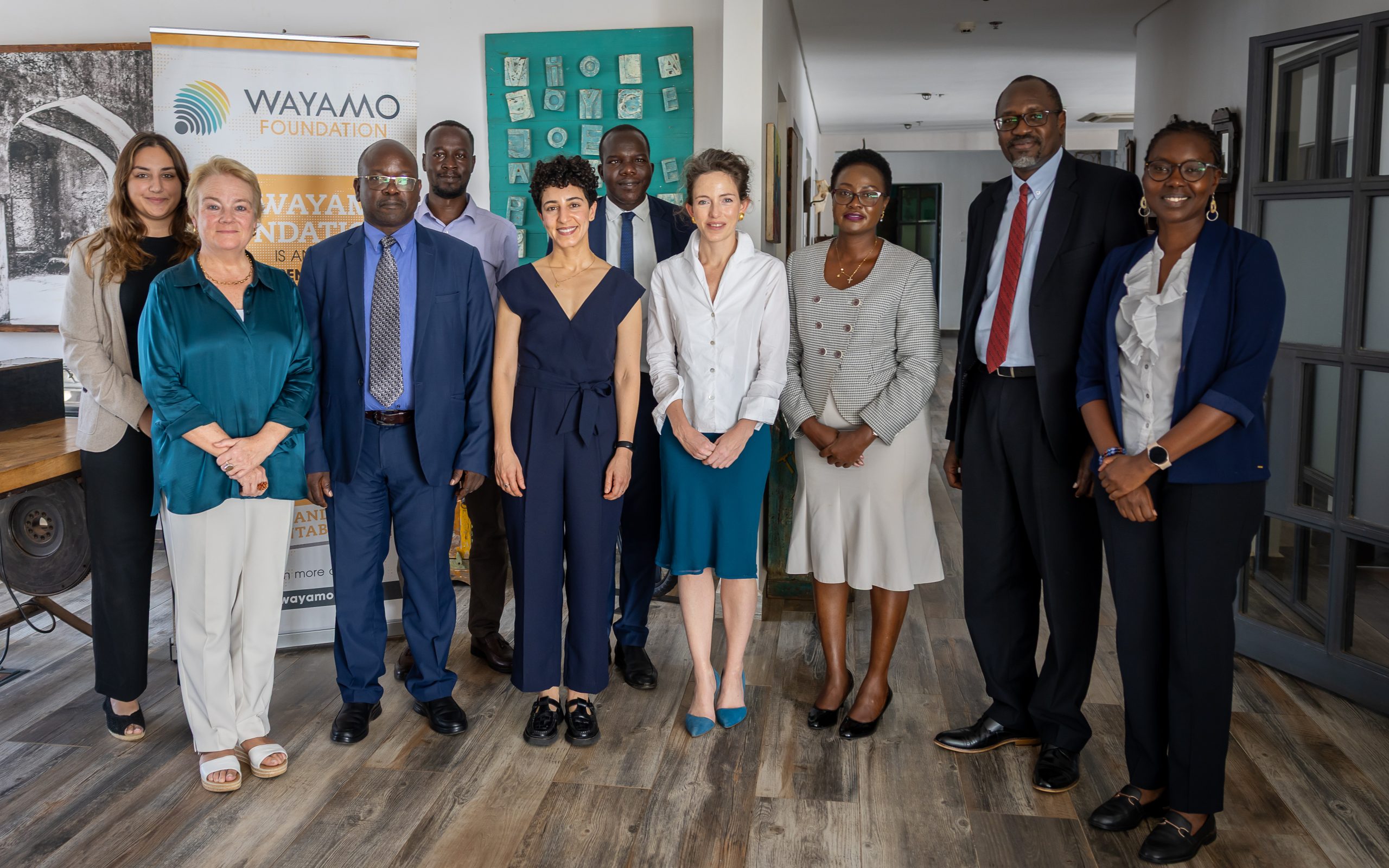
On 25 November 2025, the Wayamo Foundation held a roundtable discussion in Kampala, Uganda on the topic “The Domestic Application of International Criminal Law — Can Uganda Lead by Example?”
The meeting brought together judges and prosecutors involved in the trial of international crimes to discuss opportunities presented by the 2010 International Criminal Court Act (ICC Act), as well as the broader goal of utilising domestic frameworks to address international crimes in Uganda.
Amanda Ghahremani, international criminal lawyer with a focus on universal jurisdiction investigations and prosecutions, and Kirsty Sutherland, barrister at 9 Bedford Row, who specialises in international criminal law and military law, and has acted as defence counsel in several international courts and tribunals also contributed to the discussions along with the Ugandan participants.
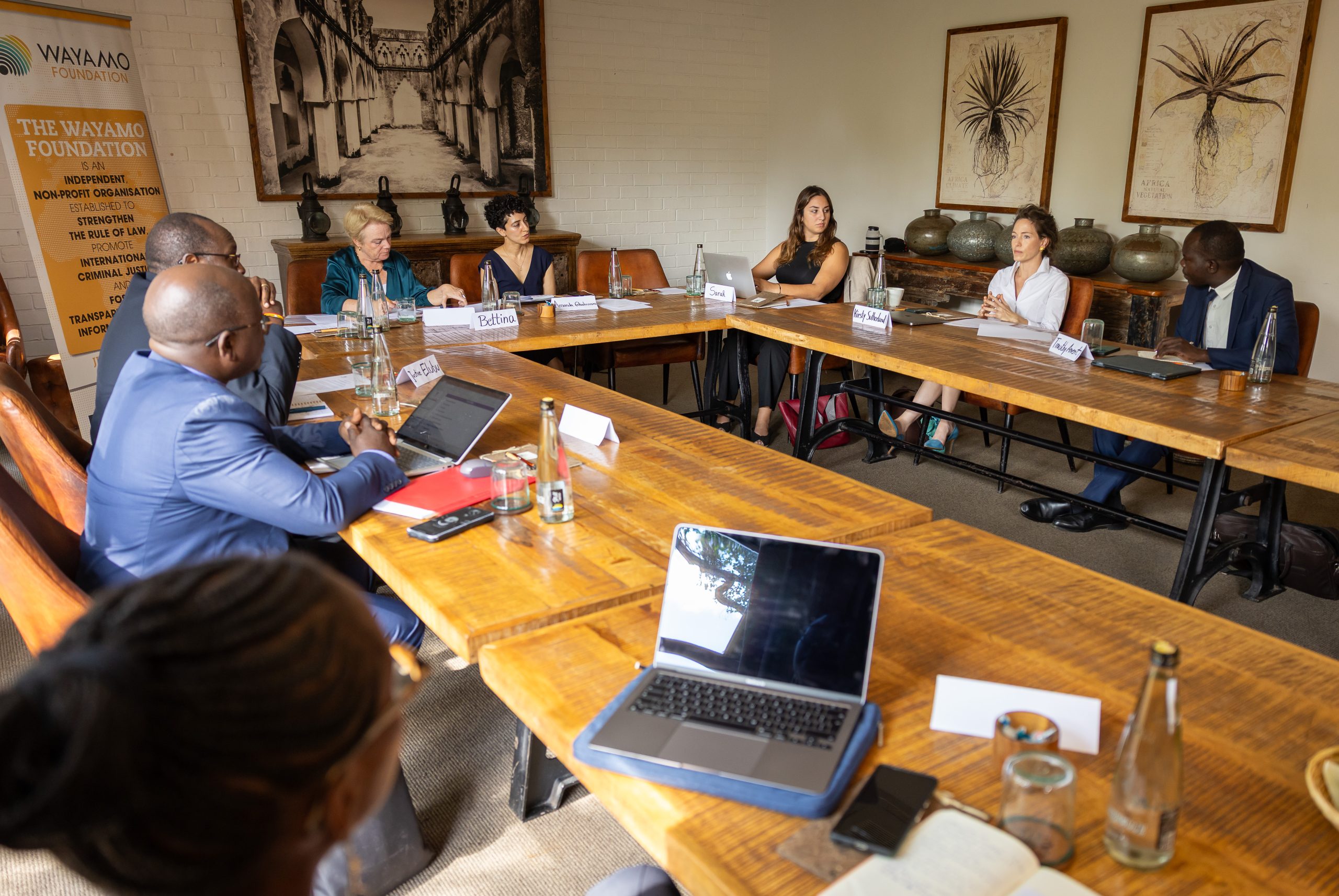
In her opening remarks, Wayamo Director Bettina Ambach outlined the history of Wayamo’s engagement in international criminal justice themes in Uganda, emphasising Wayamo’s role as a facilitator of complementarity. Ambach highlighted that in a context where international judicial mechanisms face mounting challenges, the role of domestic courts in the justice and accountability architecture has become more critical than ever.
“This meeting today provides an opportunity to interrogate the International Criminal Court Act of 2010 as well as innovative tools such as universal jurisdiction and private prosecutions to further the goals of international criminal justice in the region,” she said.
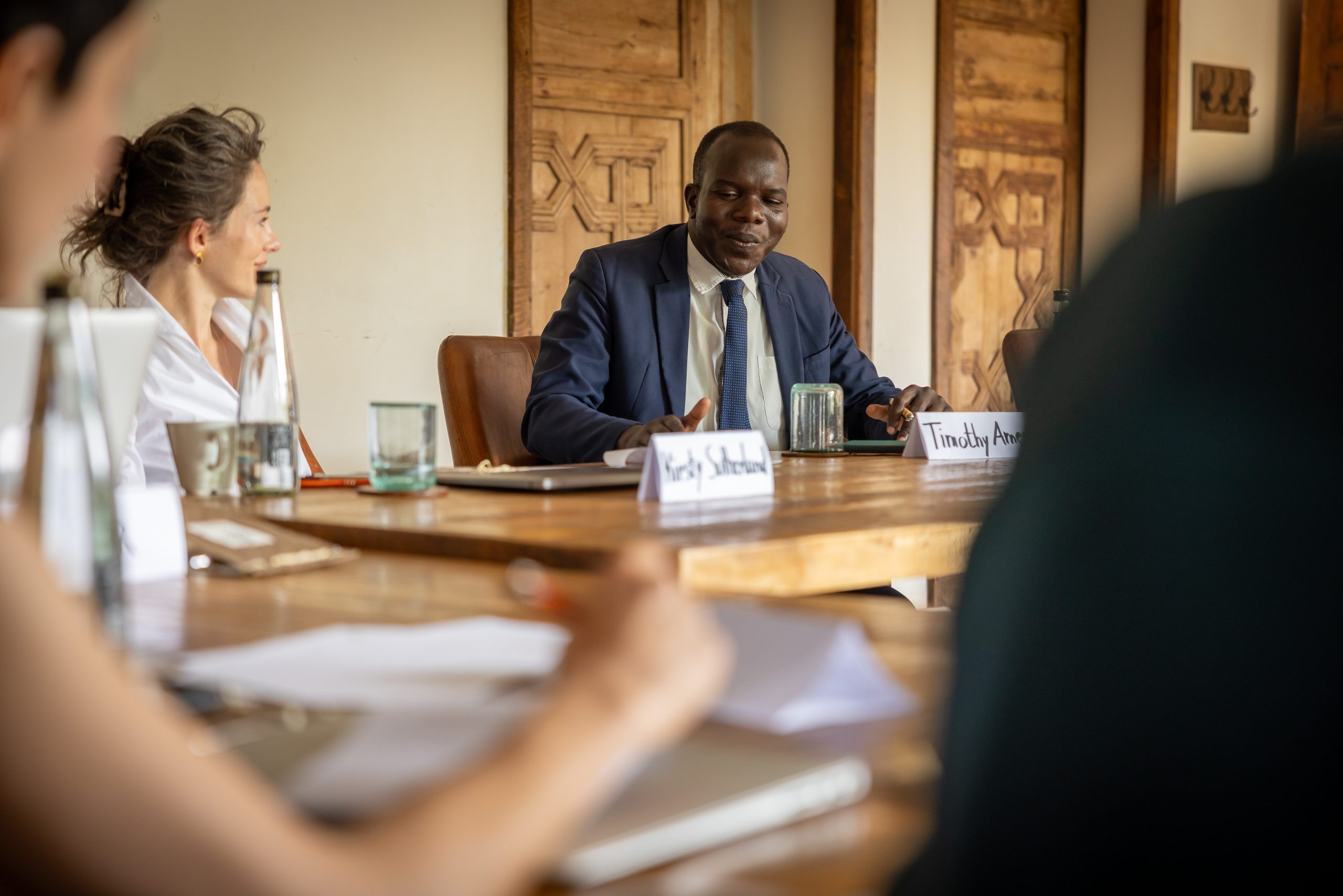
Timothy Amerit
The meeting opened with a brief presentation from Timothy Amerit, the Head of the Private Prosecutions Liaison and Coordination Unit (PPLCU) in the Office of the Director of Public Prosecutions (ODPP), Uganda.
He explained the legal basis for private prosecutions in Uganda and outlined Uganda’s experiences thus far with such cases. He noted that there are only a few precedents, as cases are often taken over by public prosecutors and then discontinued, which has limited the use and growth of private prosecutions in Uganda. The idea of private prosecutions was initially for simple offences in remote areas where public prosecution offices were missing.
When the question arose as to whether cases involving international crimes could be prosecuted privately in Uganda, participants explained that such grave cases were definitively not envisaged at the outset of private prosecutions, nor have they ever been tested.
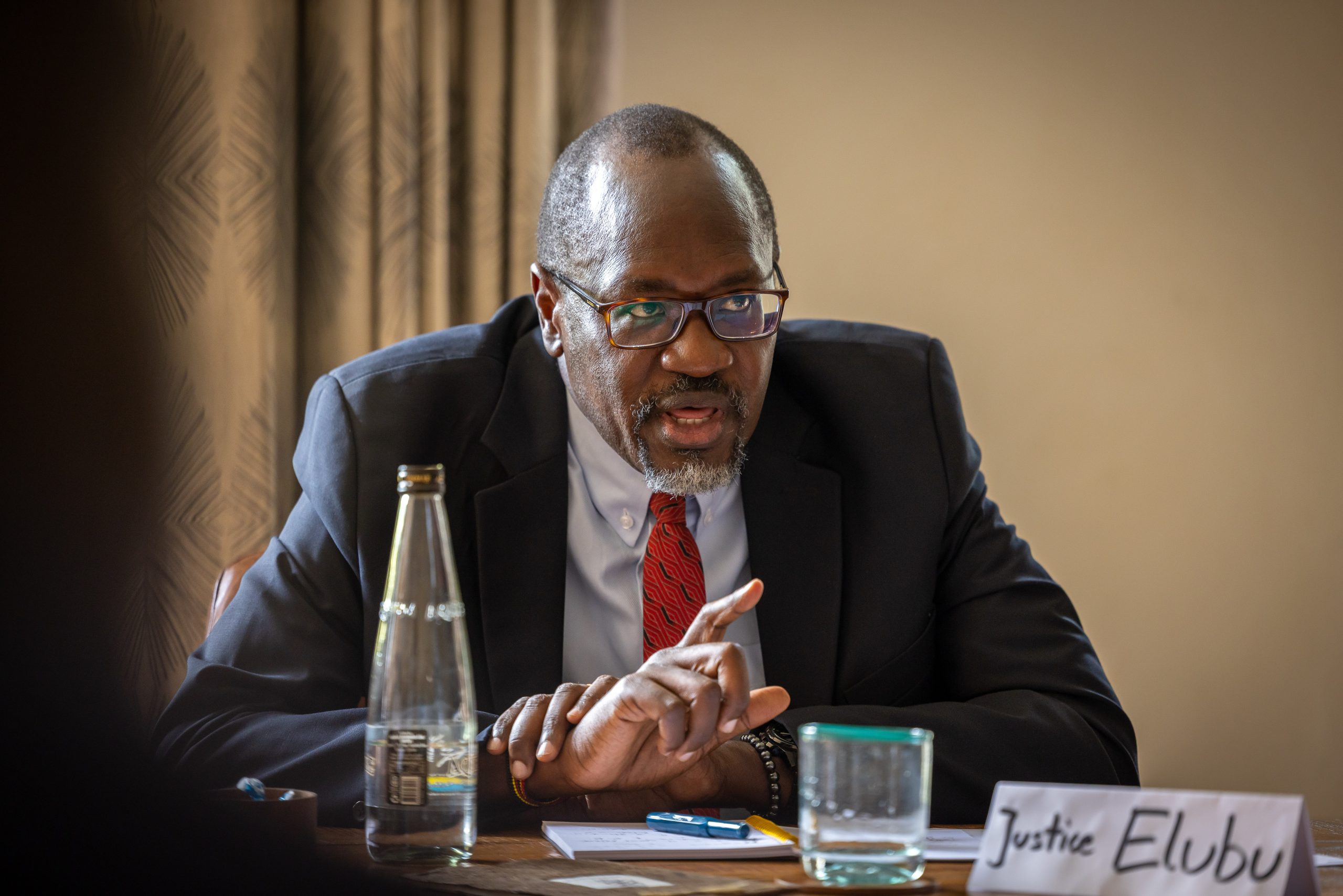
Justice Michael Elubu
However, although private prosecutions of international crimes have no precedent, it was agreed that the law, as it currently stands, does not prohibit such proceedings, whether initiated by an individual or an organisation.
According to the participants, the decisive factors were the mindset of the DPP, his willingness to experiment, and the ability of the actors involved in a private prosecution to assemble the evidence required for an international crime case.
The discussion then moved to Uganda’s experience in prosecuting international crimes in domestic courts, and lessons learnt from the first big test case in the International Crimes Division (ICD), the trial against Lord’s Resistance Army Commander Thomas Kwoyelo. Roundtable participants heard remarks from Justice Andrew Bashaija, the Head of the ICD of the Uganda High Court who reflected on the key lessons which emerged from the Kwoyelo proceedings and what they mean for the future of international crimes trials in the country.
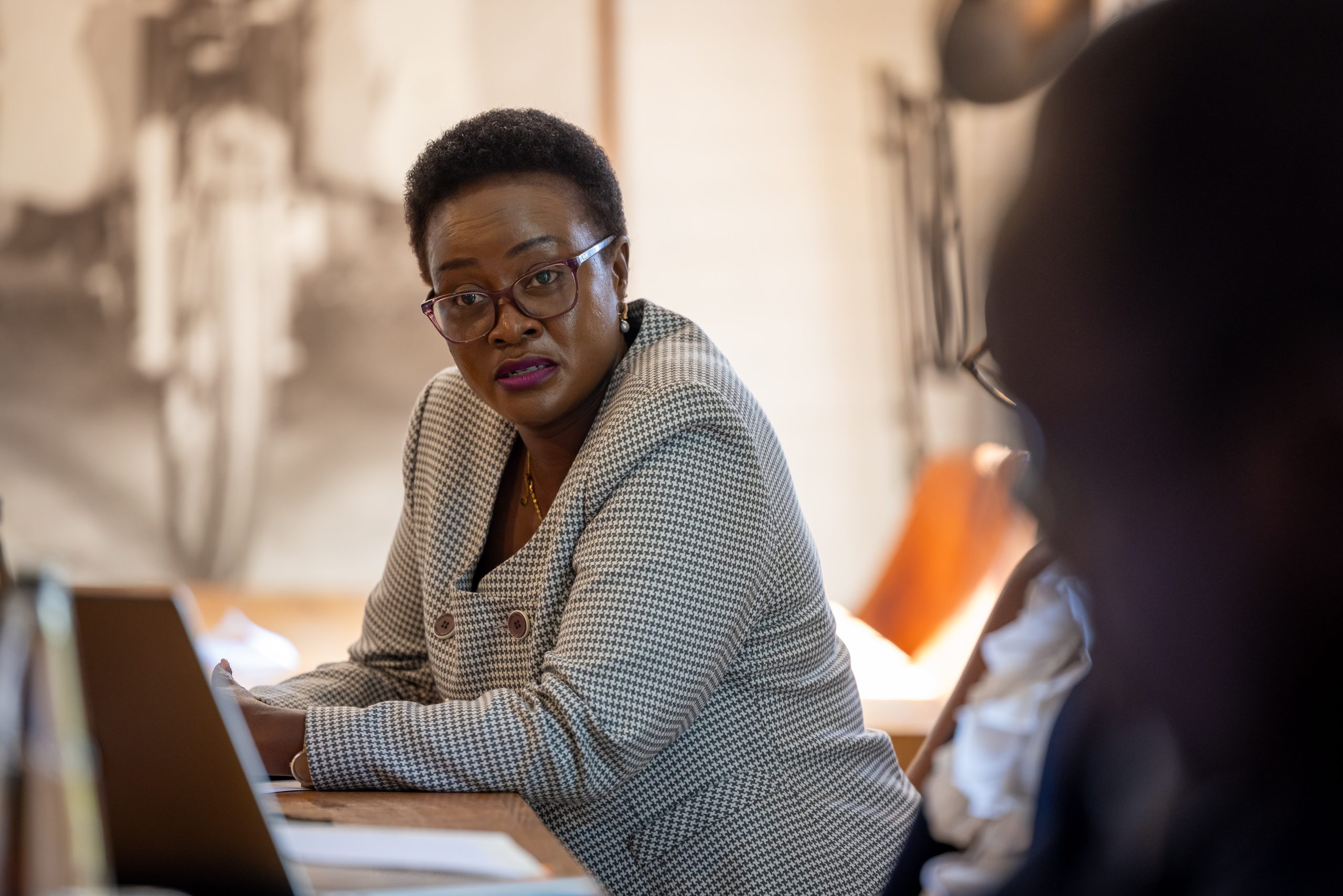
Juliet Harty Hatanga
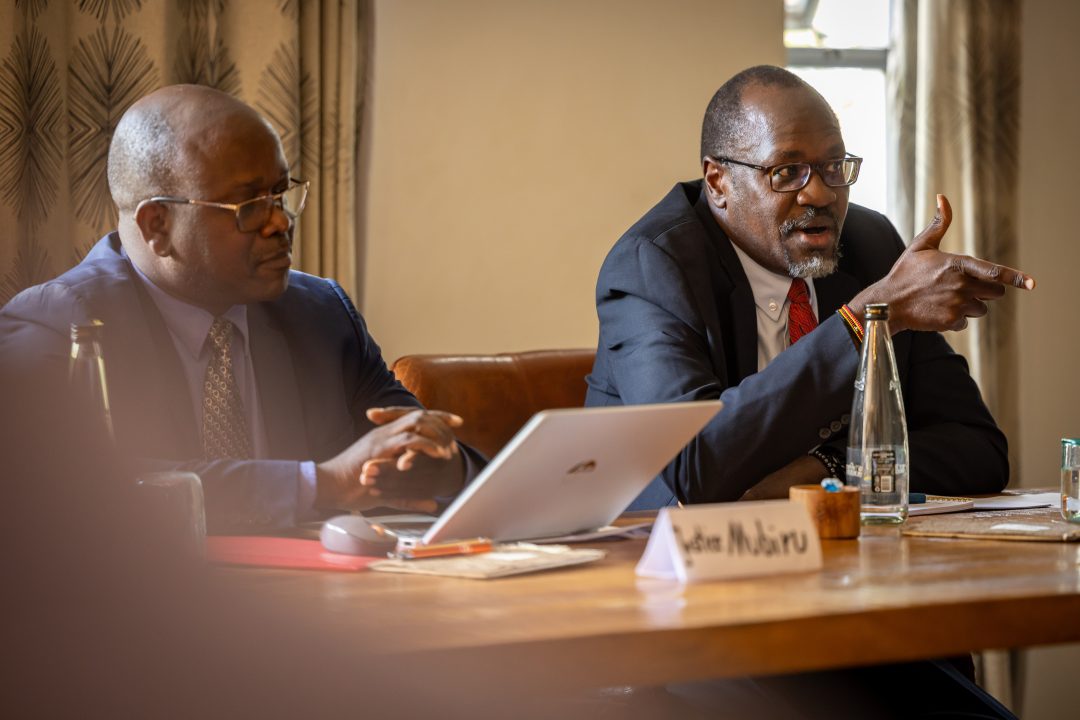
The remarks were delivered on his behalf by the Deputy Registrar of the ICD, Juliet Harty Hatanga. She was joined in the discussion by Justice Michael Elubu and Justice Stephen Mubiru who both presided over the case.
In a discussion moderated by Wayamo International Criminal Lawyer & Project Coordinator Linda Bore, speakers unpacked the progress made and the procedural gaps revealed through the case. They noted that the Kwoyelo case offered several key lessons for international criminal law in Uganda and beyond.
Amongst the lessons highlighted was the need for clarity in drafting charges for international crimes, as it seemed to be challenging to prove the contextual elements (“chapeau elements”) and use new modes of liability like command responsibility. As a consequence, the court had decided to charge under Customary International Law and the domestic penal code, and did not test the ICC Act which domesticated the Rome Statute crimes in 2010.
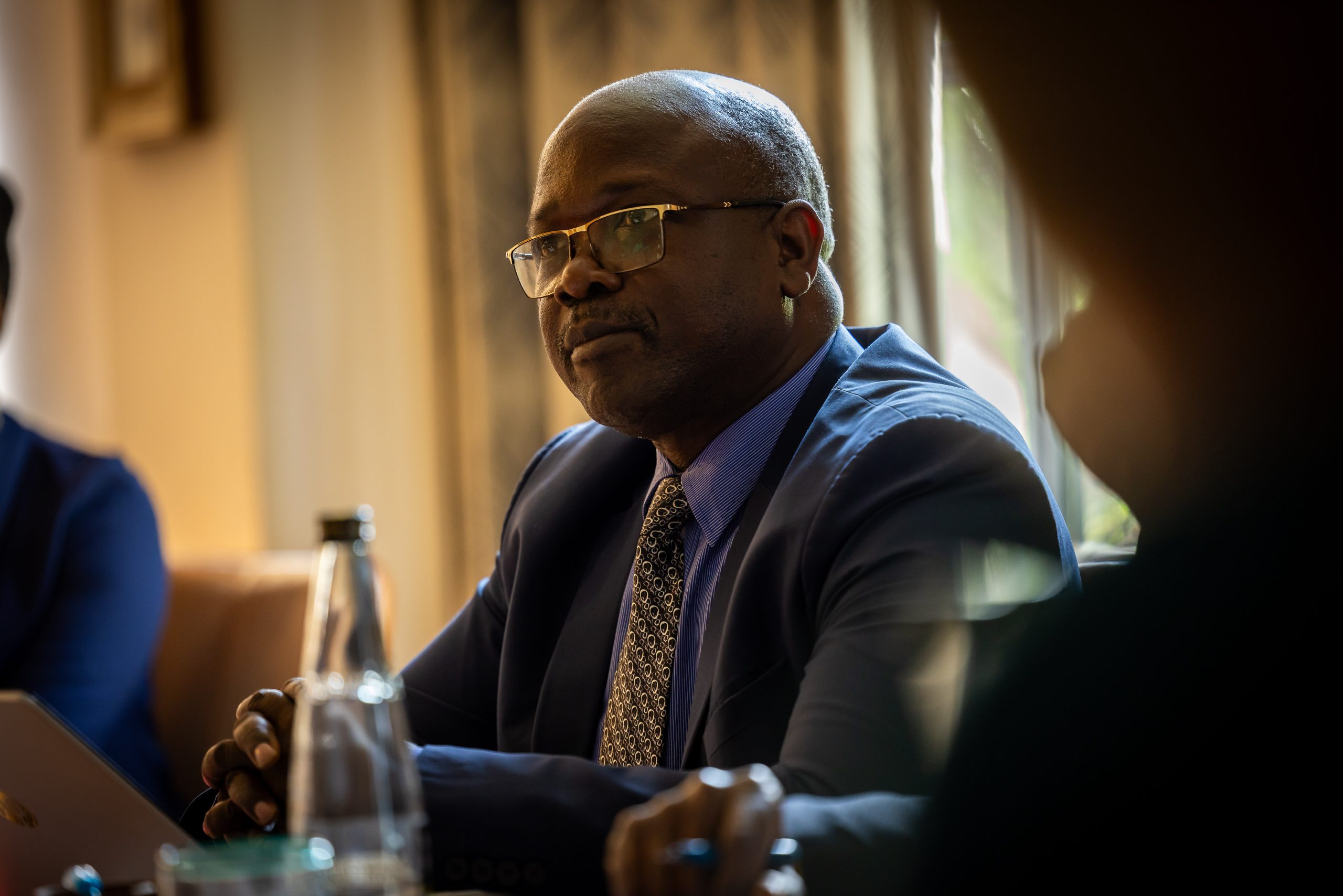
Justice Stephen Mubiru
The case also underscored the importance of establishing a robust witness protection program, as well as the critical role of coordination among investigators, prosecutors, and the judiciary in ensuring an effective trial.
As an example of progressive jurisprudence speakers mentioned the orders for reparations. In fact, this was the first comprehensive reparation ruling by an African court and particularly innovative in its approach of combining customary compensation practices with those used in civil lawsuits and international crimes cases.
A central question guiding the discussion was when and how the ICC Act would be fully tested. While one speaker explained that the ICD was offering a dual pathway so that the court could exercise its discretion to use other jurisprudence in application and interpretation, another speaker added that the ICD had jurisdiction over international crimes and transnational organised crimes, like trafficking, terrorism and piracy. One of the speakers stressed that trying transnational organised crimes built capacity to handle more international crime cases in the future.

Kirsty Sutherland
Discussants agreed that the ICD and its first successful trial had proven that domestic justice for international crimes was possible in Uganda and that it had shown innovation and judicial courage.
Discussions then moved on to examining the role of universal jurisdiction in bridging accountability gaps, agreeing that Uganda’s legal framework could offer a good venue for universal jurisdiction cases, which has also never been tested. Concerns were raised that there could be little interest in prosecuting offences where the impact is not directly felt, especially in times of limited resources.
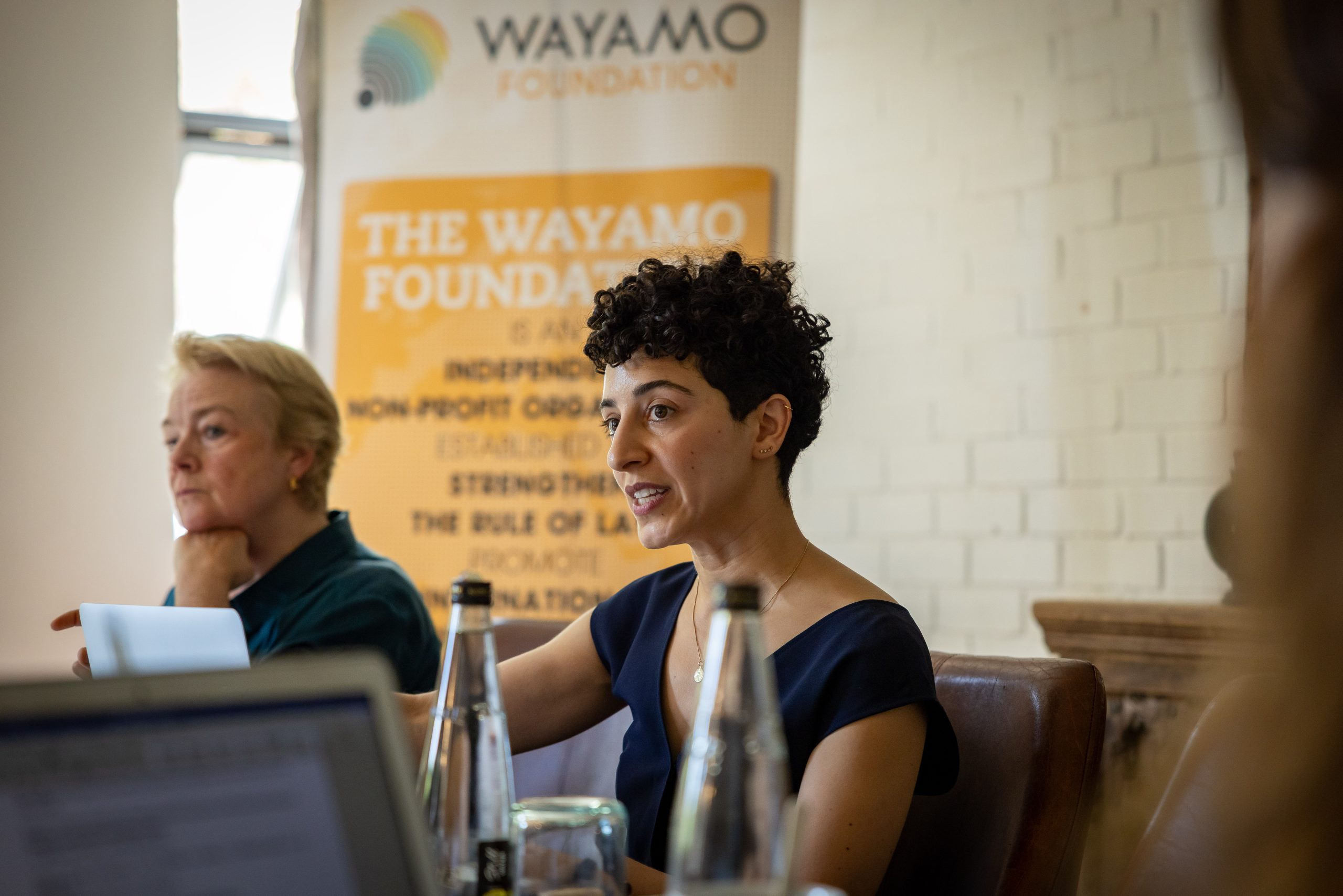
Bettina Ambach and Amanda Ghahremani
However, building on the narrative of leadership developed by the speakers earlier on, Amanda Ghahremani noted that universal jurisdiction cases could provide an opportunity for Uganda to finally test the ICC Act. It would entail using universal jurisdiction cases as a form of building the capacity of the domestic prosecutorial and judicial system for more international crime cases down the line.
In her concluding remarks, Bettina Ambach responded to concerns that crimes committed outside Uganda lack sufficient impact to justify investigations and prosecutions in the country. She proposed to consider how other countries have addressed similar challenges.
“My own country, Germany, is a pioneer in using universal jurisdiction to prosecute Syrian war criminals, allowing prosecution for crimes like torture and genocide regardless of location, largely because many Syrian victims — and amongst them a few perpetrators — arrived as refugees after 2015,” she said. “This may be an interesting analogy for the many refugee camps in Uganda inhabited by Sudanese who had to flee the war in neighboring Sudan.”
“Another argument for trying out these innovative legal tools is that the governmental justice sector is not alone in this process,” she added. “Civil society organisations and open-source information experts — indeed, a whole network of actors — are willing to help in this collective effort to bring international crime cases before domestic courts.”