
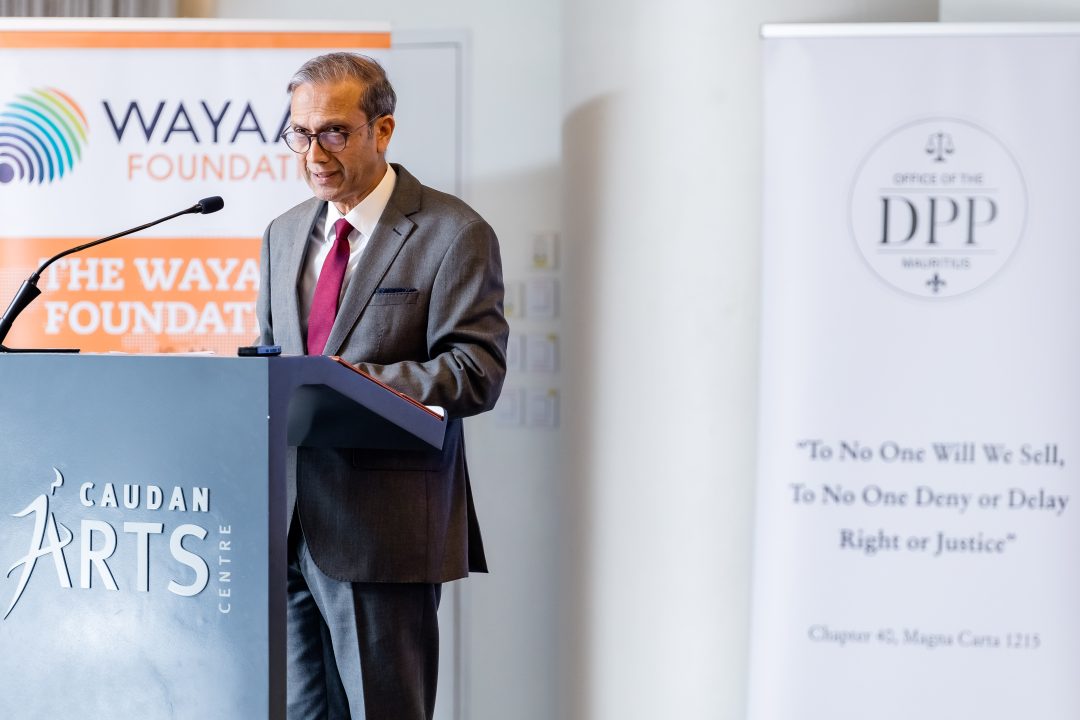
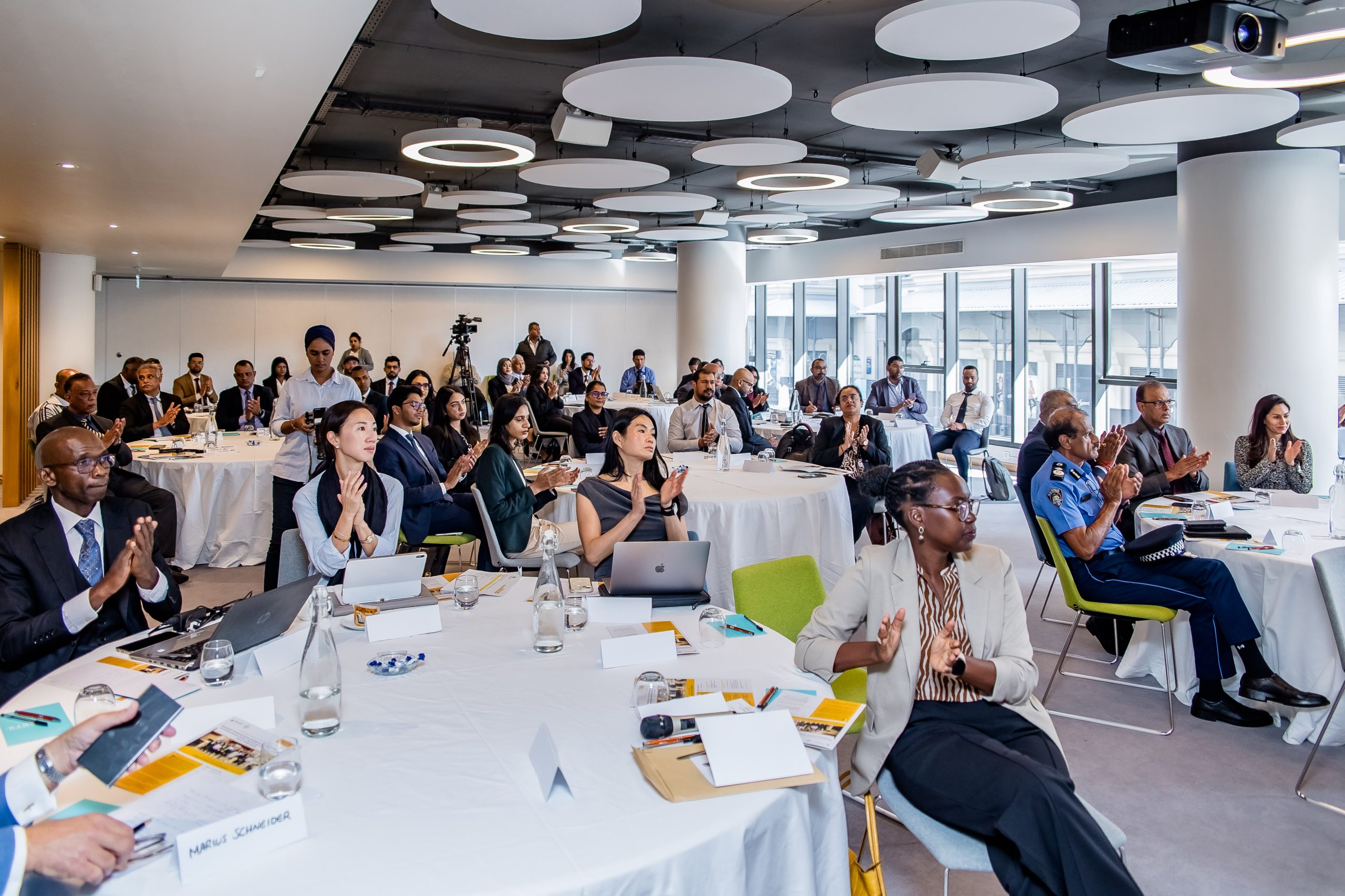
From 26 to 29 August 2025, the Wayamo Foundation and the Directorate of Public Prosecutions of Mauritius held a symposium in Port Louis, Mauritius, on international criminal and financial investigations in domestic jurisdictions.
The symposium brought together international and Mauritian experts, as well as investigators, and prosecutors from the Directorate of Public Prosecutions, the Mauritius Police Force, the Financial Crimes Commission, and the Mauritius Revenue Authority. Discussions focused on efforts to disrupt the commission of international crimes domestically, and the pressing questions regarding the tools available to states for addressing past atrocities and ongoing violations.
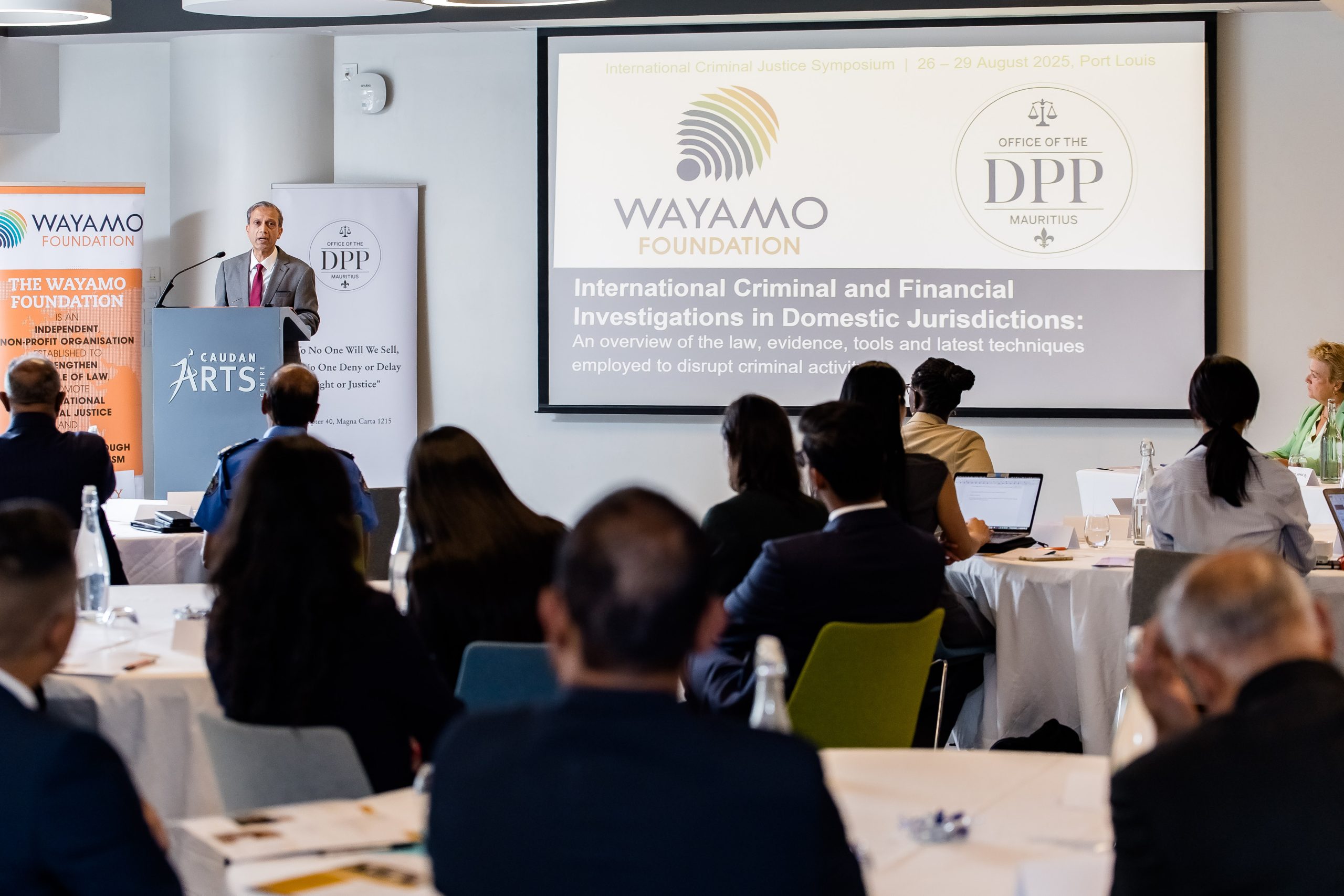
Rashid Ahmine, Director of Public Prosecutions, Mauritius.
The opening ceremony on 26 August was graced by the presence of four high-level representatives from Mauritian law enforcement and prosecution authorities:
- Rashid Ahmine, Director of Public Prosecutions
- Sooroojebally, Commissioner of Police of Mauritius
- Dawoodarry, Acting Director of the Financial Crimes Commission
- Ramnawaz, Director-General of the Mauritius Revenue Authority
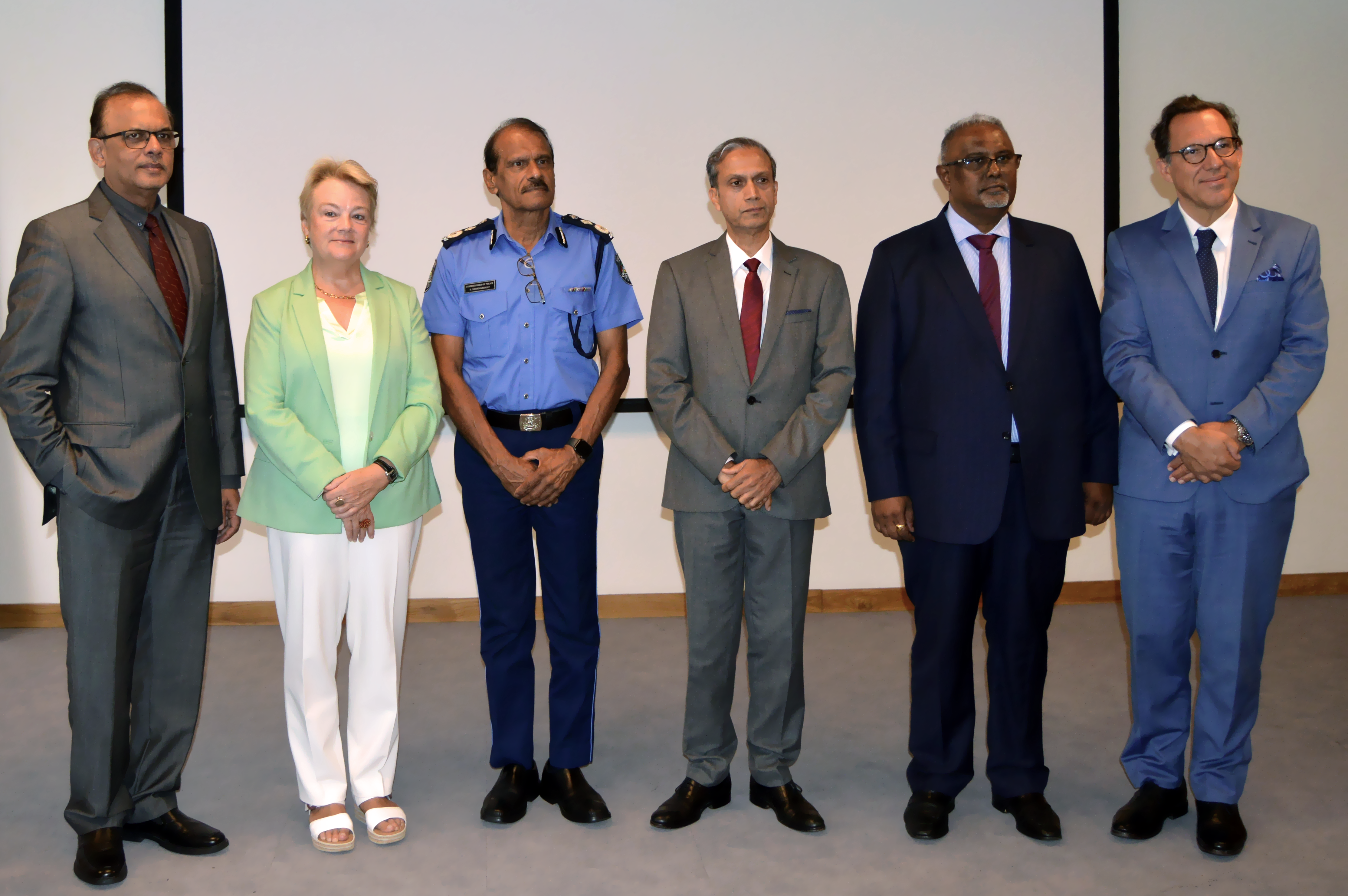
R. Ramnawaz, Bettina Ambach, R. Sooroojebally, Rashid Ahmine, T. Dawoodarry, and Marius Schneider.
Marius Schneider, the Honorary Consul of the Federal Republic of Germany, also joined, kicking off three days of in-depth discussions on the domestic application of international criminal law, financial and digital investigation and modern forms of evidence.
In his opening remarks, the Director of Public Prosecutions of Mauritius, Rashid Ahmine, set the tone for the Symposium with his commitment to pursuing the prosecution of international crimes, especially when financial investigations can be used to cut off the money flows of criminal networks.
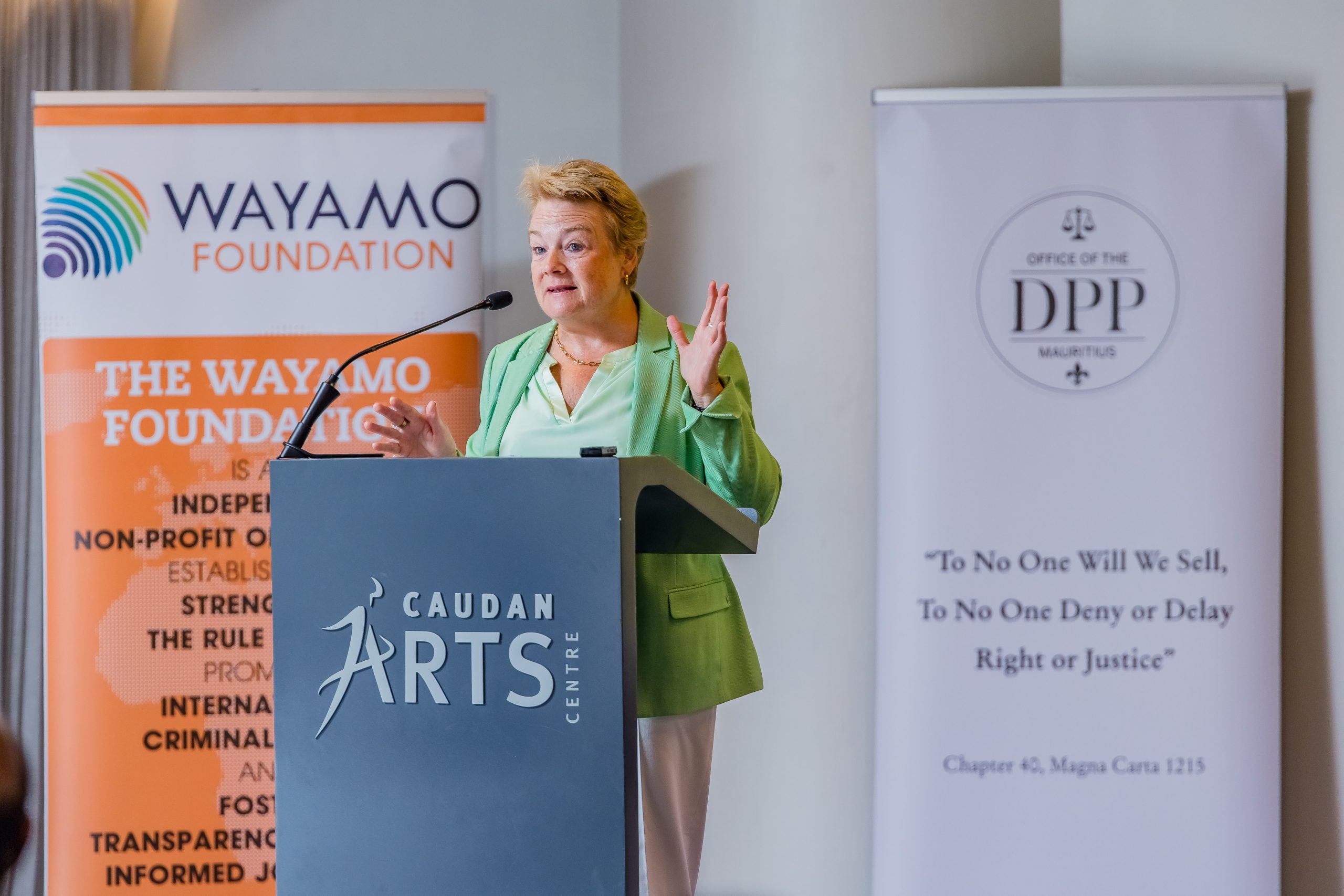
Following Ahmine’s remarks. Wayamo Director Bettina Ambach invited the participants to think creatively about the fight against international crime.
“When criminal accountability is not immediately possible, what are the tools to disrupt the commission of international crimes?” she asked.
The themes of the symposium had a dual focus — on international criminal law and financial investigations, and tools available to disrupt international crimes.
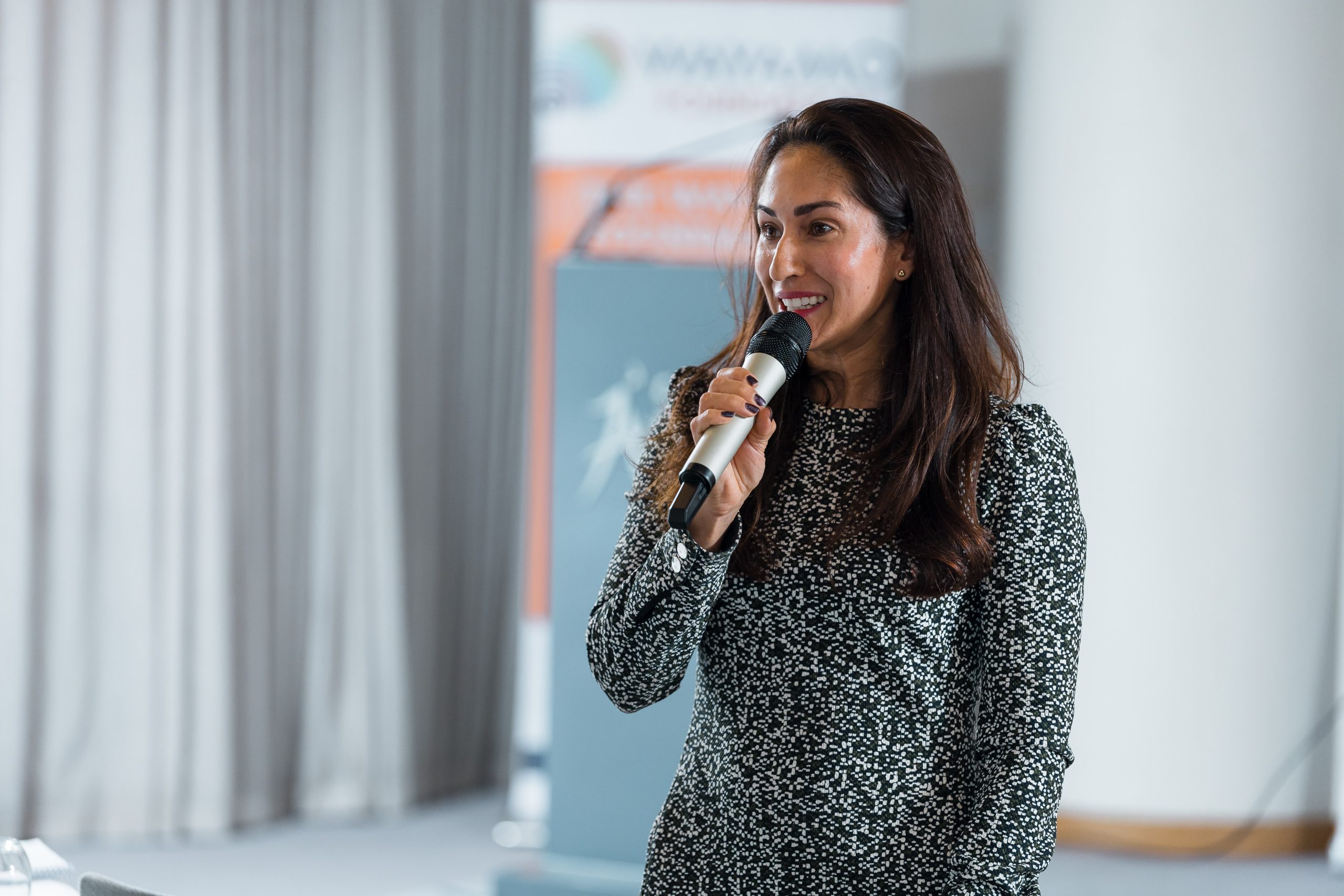
Saeeda Verrall, Legal Officer, United Nations, Independent Investigative Mechanism for Myanmar.
The participants engaged with Saeeda Verrall, Legal Officer, United Nations, who provided an overview of international criminal law, explaining who can be held responsible for international crimes, the different modes of perpetration, and the evidentiary challenges in linking senior officials to atrocities.
Participants also had an opportunity to hear from colleagues from the region, on their domestic experiences with international criminal law.
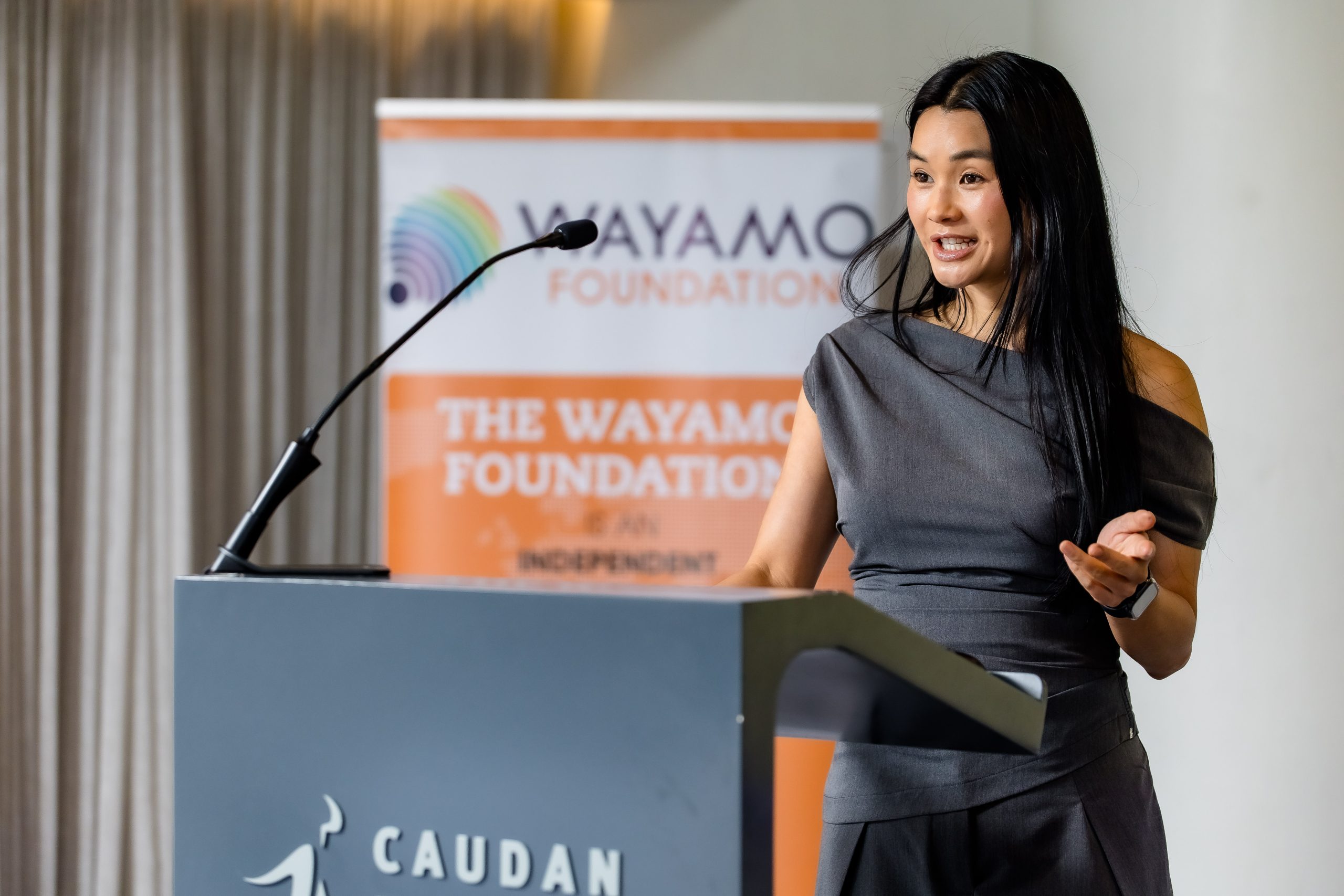
Kayan Leung, Head of Office, Strategic Litigation Programme Lawyers for Human Rights.
Kayan Leung, Head of Office, Strategic Litigation Programme Lawyers for Human Rights shared insights from South Africa, focused on the domestic application of international criminal law and strategies to disrupt the commission of international crimes nationally.
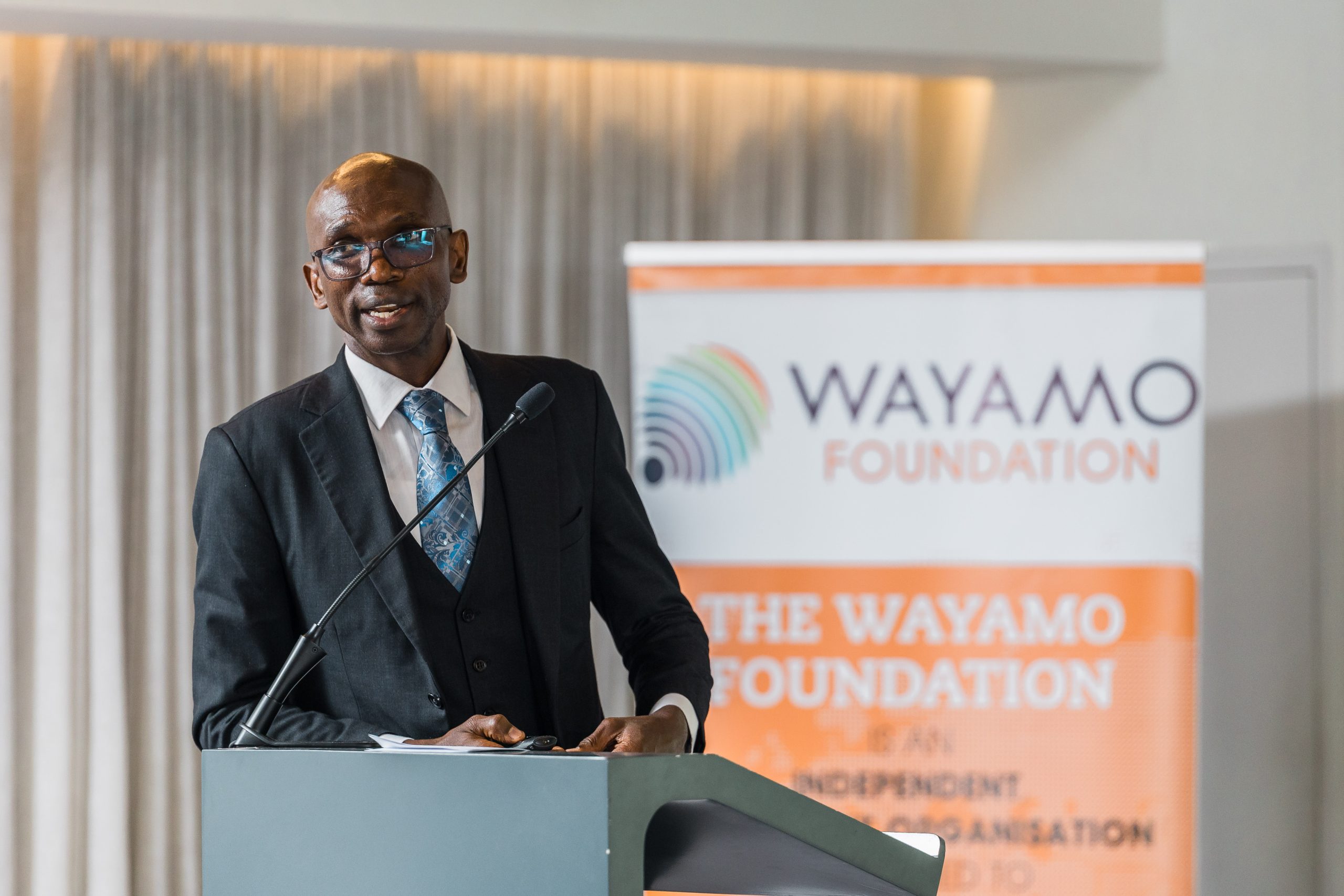
Mark Barasa, Senior Assistant Director of Public Prosecutions, Nairobi.
Mark Barasa, Senior Assistant Director of Public Prosecutions, Nairobi examined Kenya’s first crimes against humanity case, outlining key challenges faced and lessons learned in bringing such a case domestically.
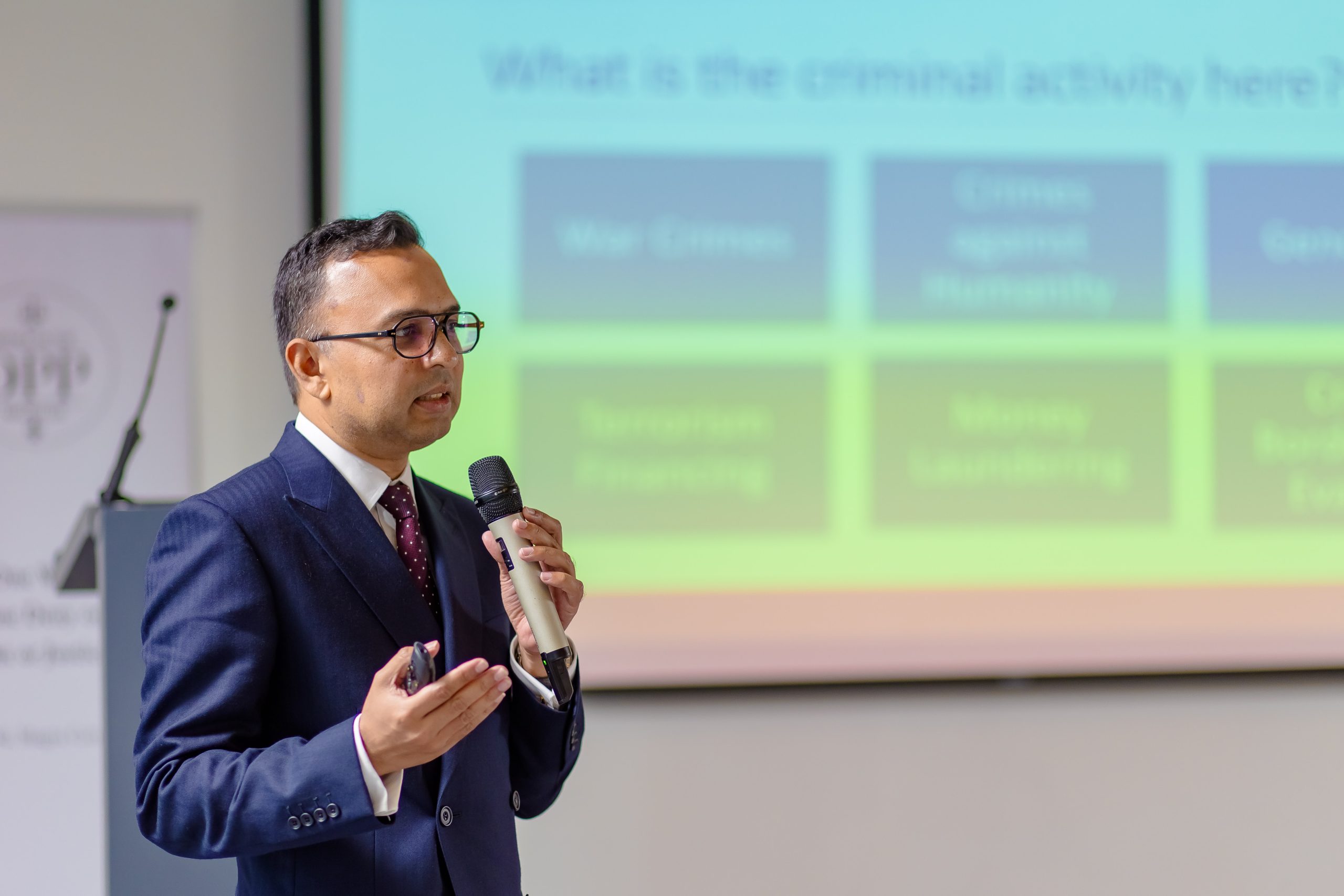
Nataraj J Muneesamy, Assistant Director of Public Prosecutions, Mauritius.
Three Mauritian experts, Nataraj J Muneesamy, Assistant Director of Public Prosecutions, Mohammad Fayyaad Khan Arzamkhan, Legal Adviser, Financial Crimes Commission, and Atish Bholah, Ag. Chief Investigator, Financial Crimes Commission, led the discussions on the Mauritian legal framework and practice in international criminal justice, including universal jurisdiction, financial investigations, and asset recovery.
Participants then had an opportunity to look into tools available for disrupting international crimes, and the use of open source investigations to facilitate this work.
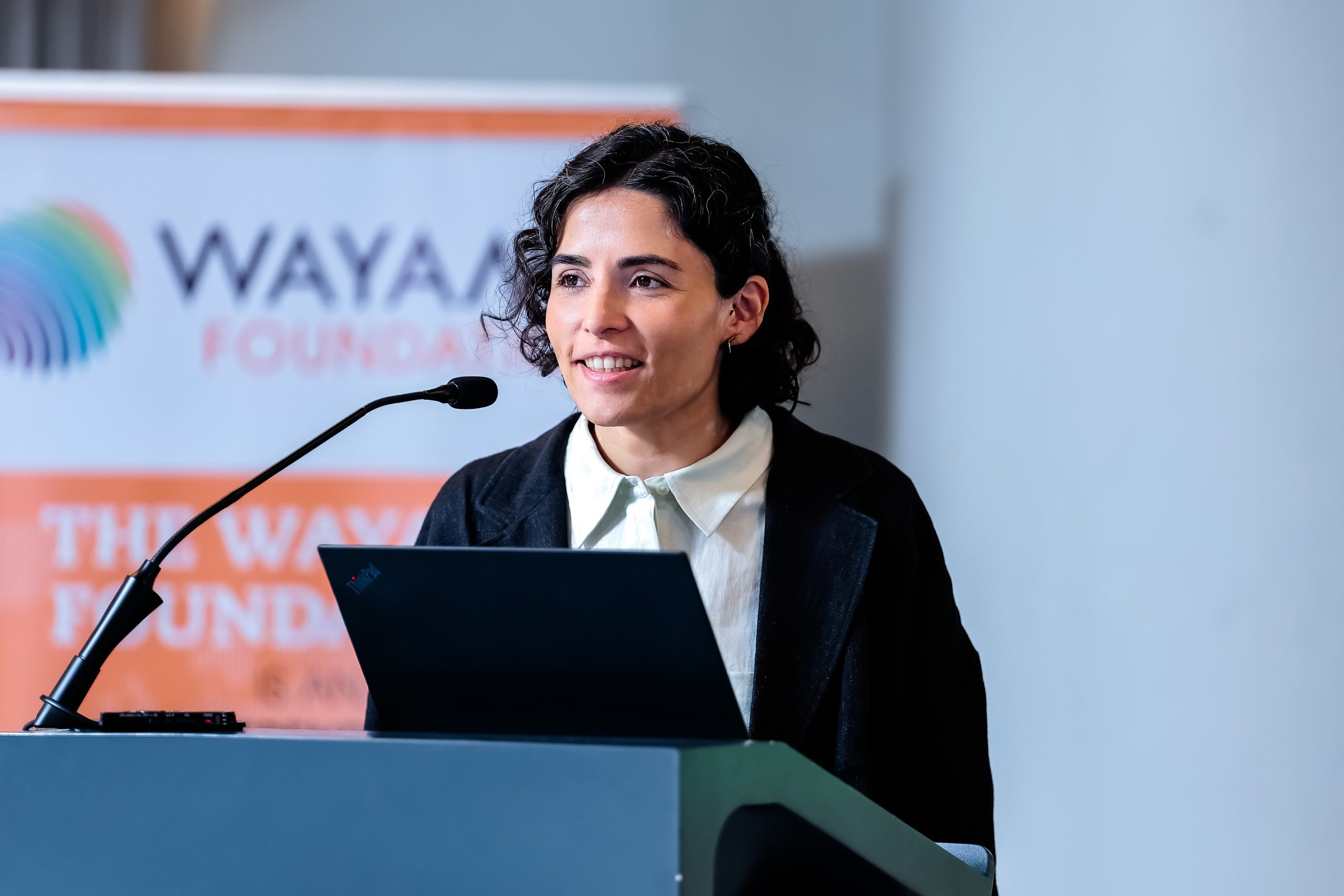
Mariana Gutierrez, Director and investigator, FIND.
Mariana Gutierrez, Director and investigator, FIND, led a discussion on open-source financial investigations, covering applications like financial profiling, asset tracing, and network analysis.
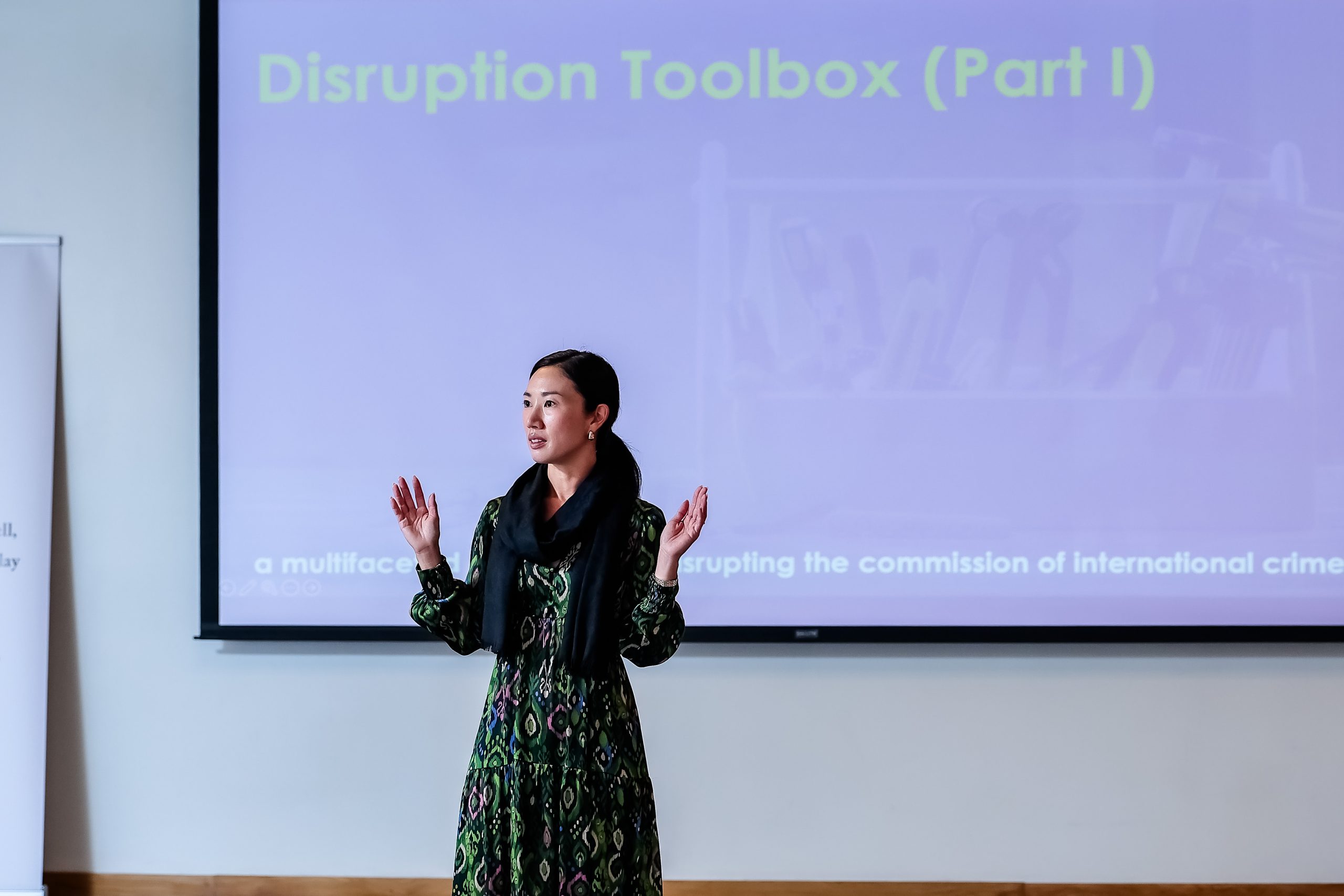
Jessica Kim, former Special Prosecutor for the Crime of Aggression, US Department of Justice.
This was followed by Jessica Kim, former Special Prosecutor for the Crime of Aggression, US Department of Justice who presented on tools for disrupting international crimes, focusing on international cooperation, sanctions and how targeting financial structures can weaken criminal networks.
Throughout the symposium participants engaged in peer exchange sessions, with colleagues from Mauritius, South Africa, and Kenya sharing practical experiences and reflections on applying tools in their own contexts.
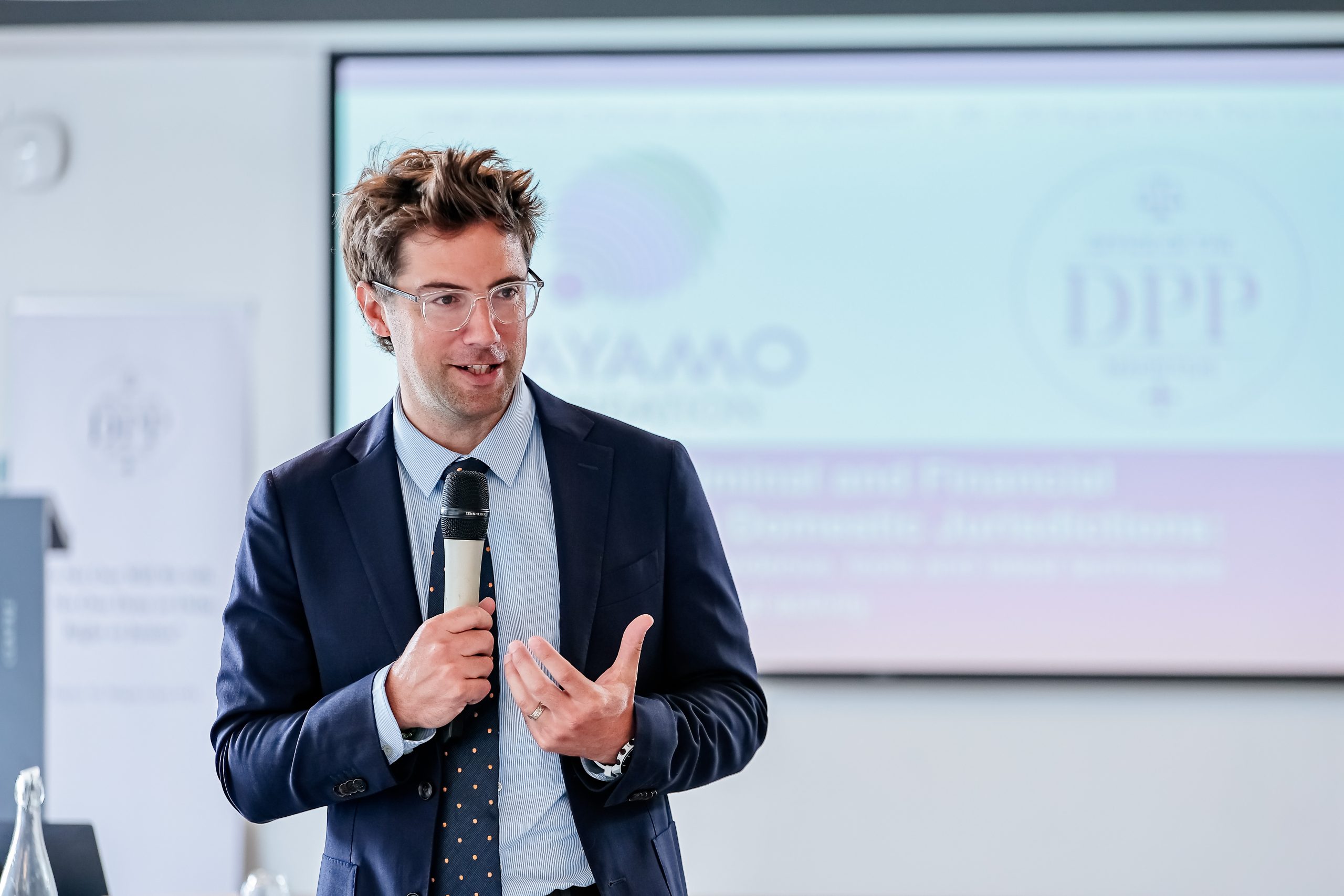
Mikel Delagrange, Senior International Legal Advisor, Wayamo Foundation.
All experts concluded with a reflections session, moderated by Wayamo’s Senior International Legal Advisor Mikel Delagrange, and Jagganaden Muneesamy, Assistant Director of Public Prosecutions, Director of Public Prosecutions, Mauritius where key takeaways focused on the recognition that effective inter-agency collaboration is critical to advancing accountability and strengthening justice responses in order to disrupt international crimes wherever they may occur.
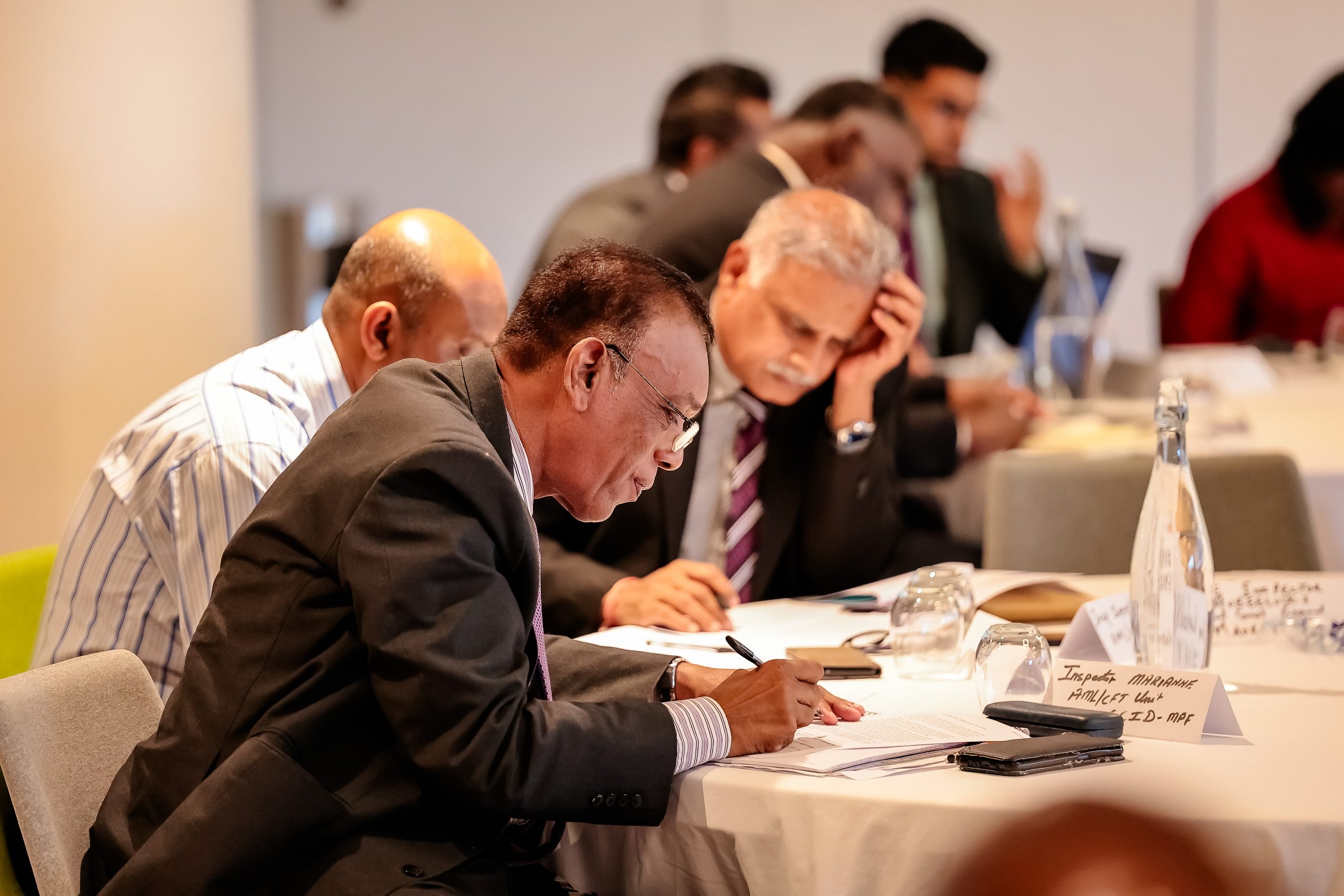
Another takeaway was the desire to strengthen the “disruption toolbox” that emphasises open-source financial investigations aimed at targeting the financial underpinnings of criminal networks by identifying and tracing assets, with the potential to lead to forfeiture and asset recovery.
“Given its strategic location and robust financial sector, Mauritius can play a pivotal role in disrupting international crimes in the region.”
“This can be achieved through stronger financial oversight, regional intelligence sharing, and enhanced maritime security cooperation,” he added.
“Our contribution to the fight against international crime is financial disruption since Mauritius plays a key role in the world as an international financial center,” noted another. “We have the competence and with proper guidance we can achieve the disruption of these international crimes”
Attendees also highlighted the need for action. One noted that “the session on disruption tools stood out… because it moved the focus beyond prosecution and showed how financial investigations, sanctions, regulatory action, and international cooperation can have immediate impact.”
“This aligns closely with Mauritius’ role as a financial hub, where early disruption can often be more effective than lengthy prosecutions,” he noted.
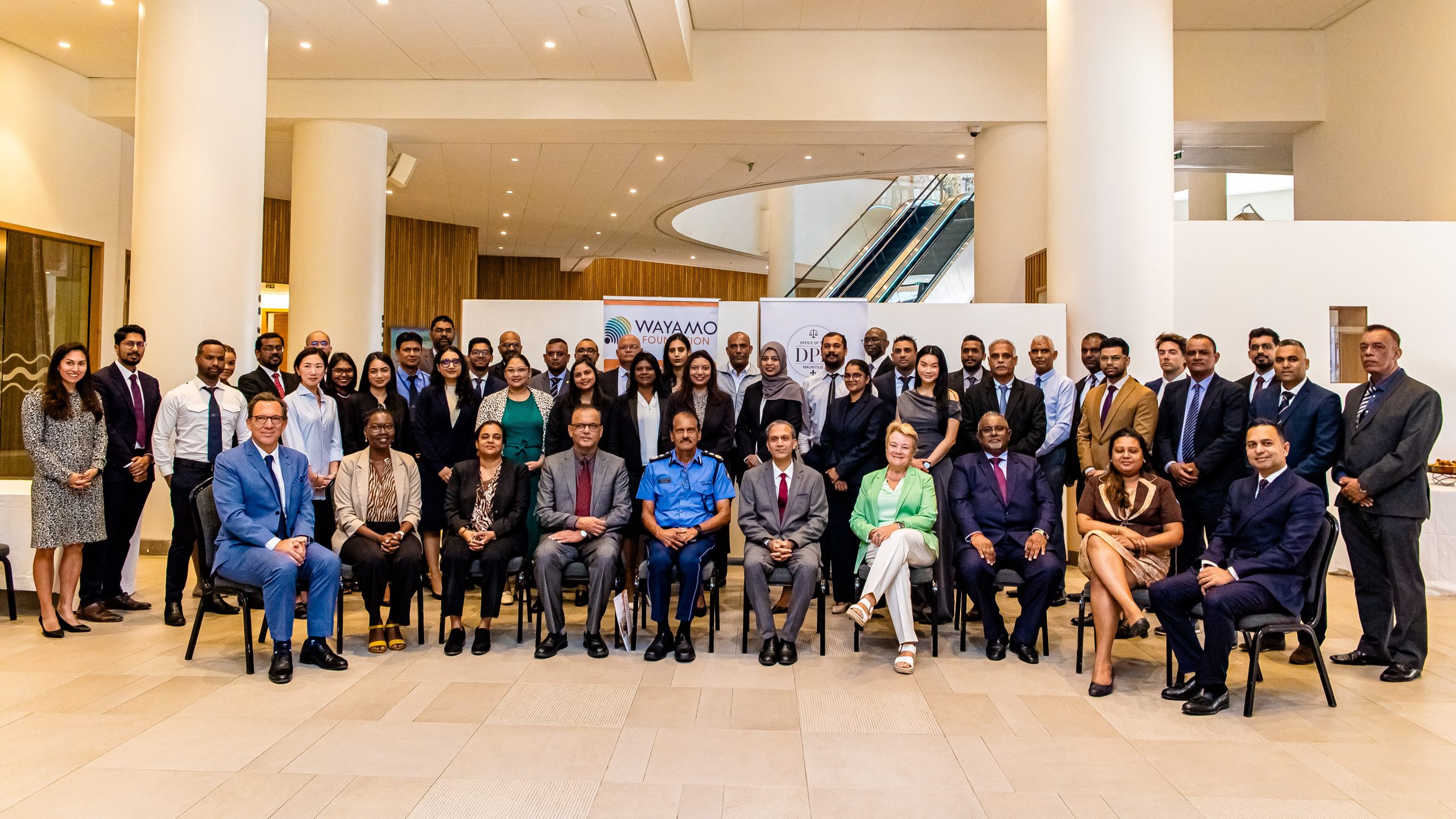
At the conclusion of the three-day event, participants emphasised that there was a strong commitment among law enforcement and prosecution representatives to pursue legal action when international crimes committed outside Mauritius have links to the country.
